Galvanized Steel Stamping: Complete Guide to Process & Design
Galvanized steel lasts for 50+ years in moderate environments and is an economical choice over stainless steel in automotive, construction, electrical and industrial applications due to its zinc coating. However, successful stamping requires more than just press work; grade, coating weight, tooling and lubrication all have an impact on coating integrity and part quality. It is important for engineers, manufacturers and buyers to know these details. This guide explains the process, design guidelines, and defect correction, and illustrates how Masion’s in-house DFM, stamping and finishing services ensure a consistent result.
What is galvanized steel stamping?
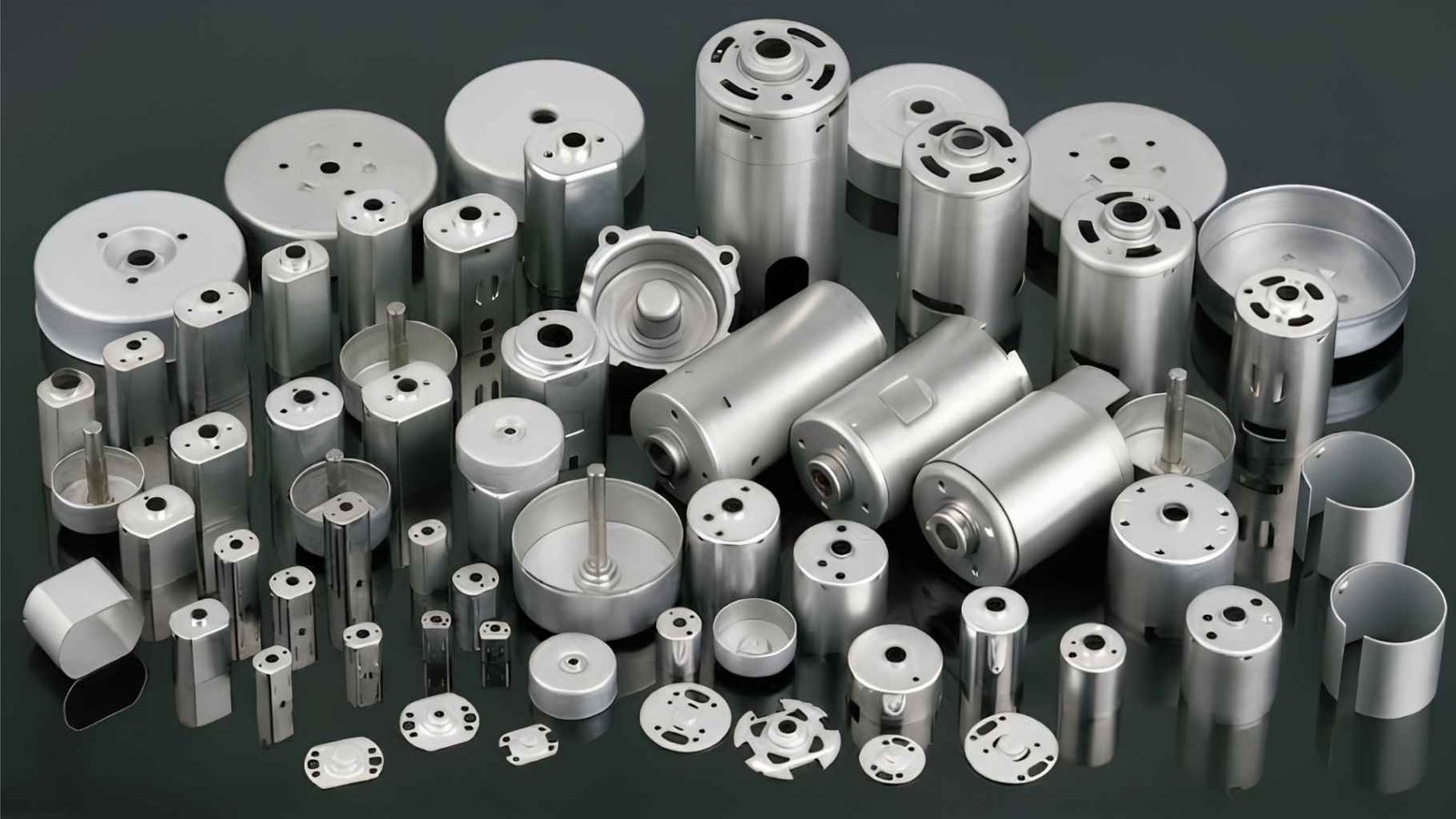
Galvanized steel stamping is a cold forming technique which is used to form flat galvanized steel sheet into target shapes through presses and dies. It is usually carried out at room temperature and involves plastic deformation of the material by mechanical force or by the force of a servo press. The stamped steel sheet enters or comes into contact with a die cavity to create accurate shapes without the need for melting or material removal. Also, stamping does not involve any melting process, and CNC machining involves the use of cutting tools. If the correct procedures are used, this zinc coating will not be harmed during most operations and will yield a long-lasting Galvanized metal stamped part.
Why choose galvanized steel for stamping? – Material science & perks
Corrosion resistance through sacrificial zinc protection
Galvanized steel is resistant to corrosion because the zinc coating is sacrificed before the steel. This protection is suitable for moisture, salt spray, humidity and for applications outdoors where bare steel corrodes more quickly. Even cut edges are protected, resulting in lower maintenance, recoating and replacement costs.
Cost-effectiveness without sacrificing performance
Galvanized steel is both more corrosion-resistant and less expensive than many of the stainless steel options. Pre-Galvanized sheet requires no special stamping tooling or exotic lubricants during stamping. This contributes to rapid manufacturing and reduced overheads for automotive brackets, electrical enclosures, construction hardware and more.
High tensile strength and structural integrity
Modern Galvanized grades have high work hardening and strong steel substrates. The tensile strengths of grades DX51D+Z, DX52D+Z and DX53D+Z are of the order of 130 to 370+ MPa. This enables load-bearing parts with minimal thickness in manufacturing.
Excellent formability for complex geometries
Galvanized steel has useful forming properties as the zinc coating does not inhibit bending, drawing or embossing. The DX51D+Z is for basic forming, and the DX53D+Z is for deeper drawing applications. Complex flanges, contours, and embossing can all be designed, while still providing corrosion protection.
Magnetic properties for shielding and sensing
Galvanized steel still has the ferromagnetic characteristics of the steel itself after the steel has been Galvanized. This is useful for motor housings, electromagnetic shielding cans and sensor brackets that need magnetic response or interference suppression. Alternative coatings are not able to achieve this magnetic behaviour, such as non-ferrous metals or austenitic stainless steel.
Understanding key Galvanized steel grades for stamping
Galvanized steel grades are selected by understanding coating weights like G30, G40, G60, G90, G275 and so on. DX, DC, and European S-series grades are regional and denote various characteristics and forming requirements of the steels. The thicker the zinc coating, the better the corrosion resistance, but the greater the potential impact of the zinc coating on die wear and forming behaviour. Strength, ductility, work hardening and stamping performance are influenced by base chemistry (carbon and alloy content). Select the grade, coating and forming ability to suit your environment, geometry, production requirements and service life.
Galvanized Grade | Zinc Coating (g/m²) | Base Steel Properties | Formability | Corrosion Resistance | Typical Applications | Notes for Stamping |
DX51D+Z | 70–100 | Low-strength, mild formability | Good for basic operations | Moderate–Good | General brackets, basic shapes | Prone to galling; requires careful die clearance (6–8% of thickness) |
DX52D+Z | 70–100 | Higher yield strength than DX51D | Moderate–Good (balanced) | Good–Excellent | Automotive components, appliance parts | Industry workhorse; lower springback than base steel |
DX53D+Z | 70–100 | Optimized for deep drawing | Excellent (especially for draw operations) | Good–Excellent | Motor housings, containers, deep-drawn enclosures | Preferred for complex drawn parts; predictable material flow |
DX54D+Z | 70–100 | High strength with good ductility | Excellent, similar to DX53D | Excellent | Structural components, deep-draw applications | Combines strength and formability; newer generation |
G30 | 30 | Mild steel | Good | Light–Moderate | Interior, low-corrosion environments | Thinner coating; use indoors or very dry conditions |
G60 | 60 | Mild steel | Good | Good | Moderate outdoor exposure | Sweet spot for cost vs. protection; many automotive underbody parts |
G90 | 90 | Mild steel | Good | Very Good | Harsh outdoor, coastal, salt-spray environments | Heavier coating; slightly increased die wear; used in construction/agricultural |
G275 (or G345) | 275 | Mild steel | Good | Excellent (maximum) | Severe marine, extreme industrial corrosion | Rarely stamped; coating too thick for sharp feature definition; typically used for welded/riveted assemblies |
HX Series | 70–100 | High-strength base (HSLA grades) | Moderate (requires larger radii) | Excellent | Structural brackets, load-bearing underbody parts | Higher press tonnage required; watch for cracking at tight bends |
When choosing Galvanized steel, ensure you are choosing the correct coating and grade for your component’s environment, forming requirements and loads. For automotive underbodies, use DX52D+Z with G60 coating for a balance of cost, formability and durability. For complex shapes, deep-drawn motor housings are suitable for DX53D+Z or DX54D+Z, coated with G70. G90 minimum is required for coastal applications, and HX grades are suitable for structural loads. G30-G60 is ok for interior electrical boxes or appliances; G60 would be for longer appliance service.
Galvanized steel stamping operations and techniques
Blanking
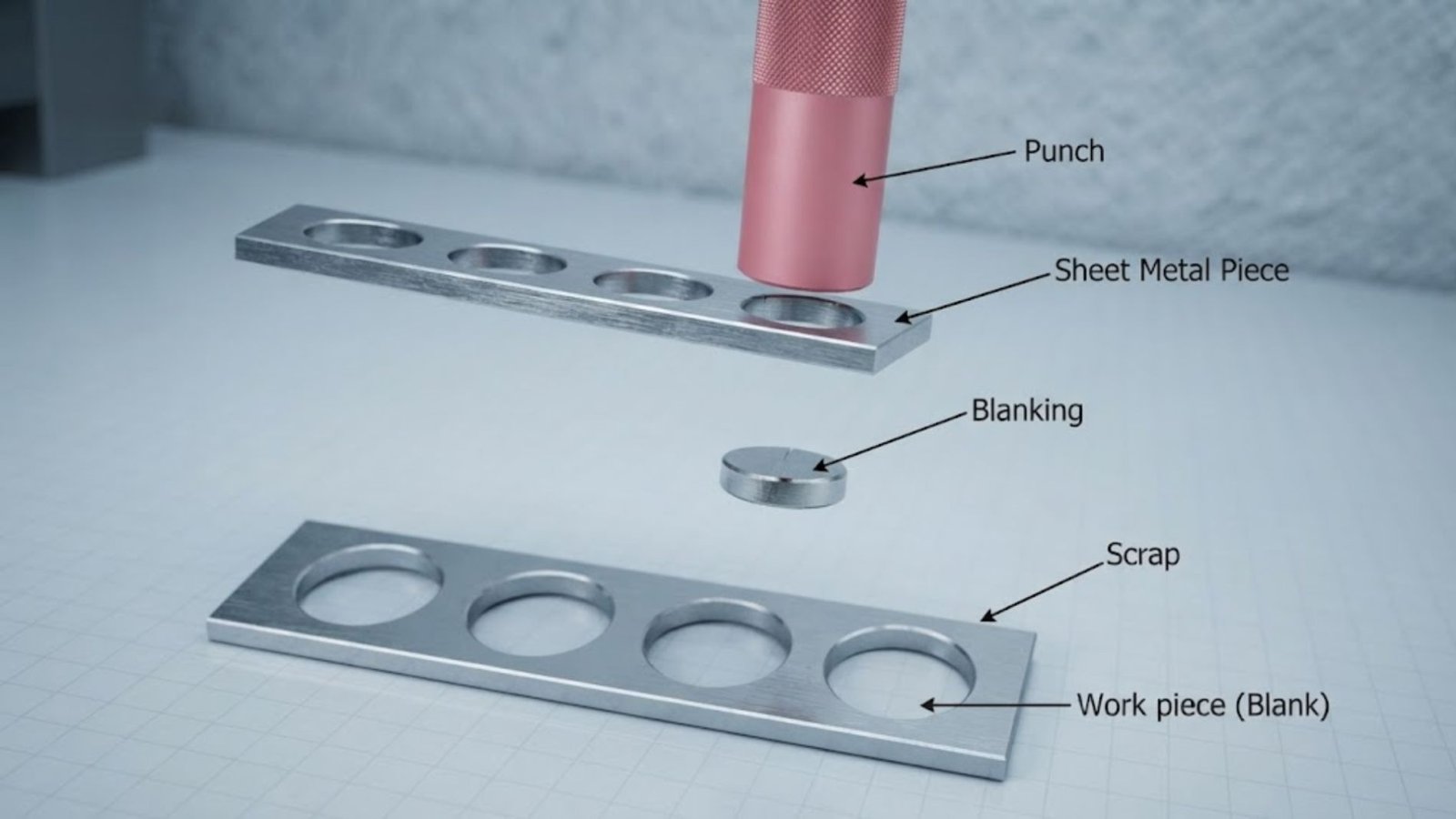
Blanking is the process of cutting flat parts from the Galvanized steel sheet, which is used as a blank for further stamping operations. Accurate dies will yield repeatable profiles on coils or sheets for downstream stamping operations. This sets correct dimensions for further processing at Galvanized metal stamped parts stages.
Piercing
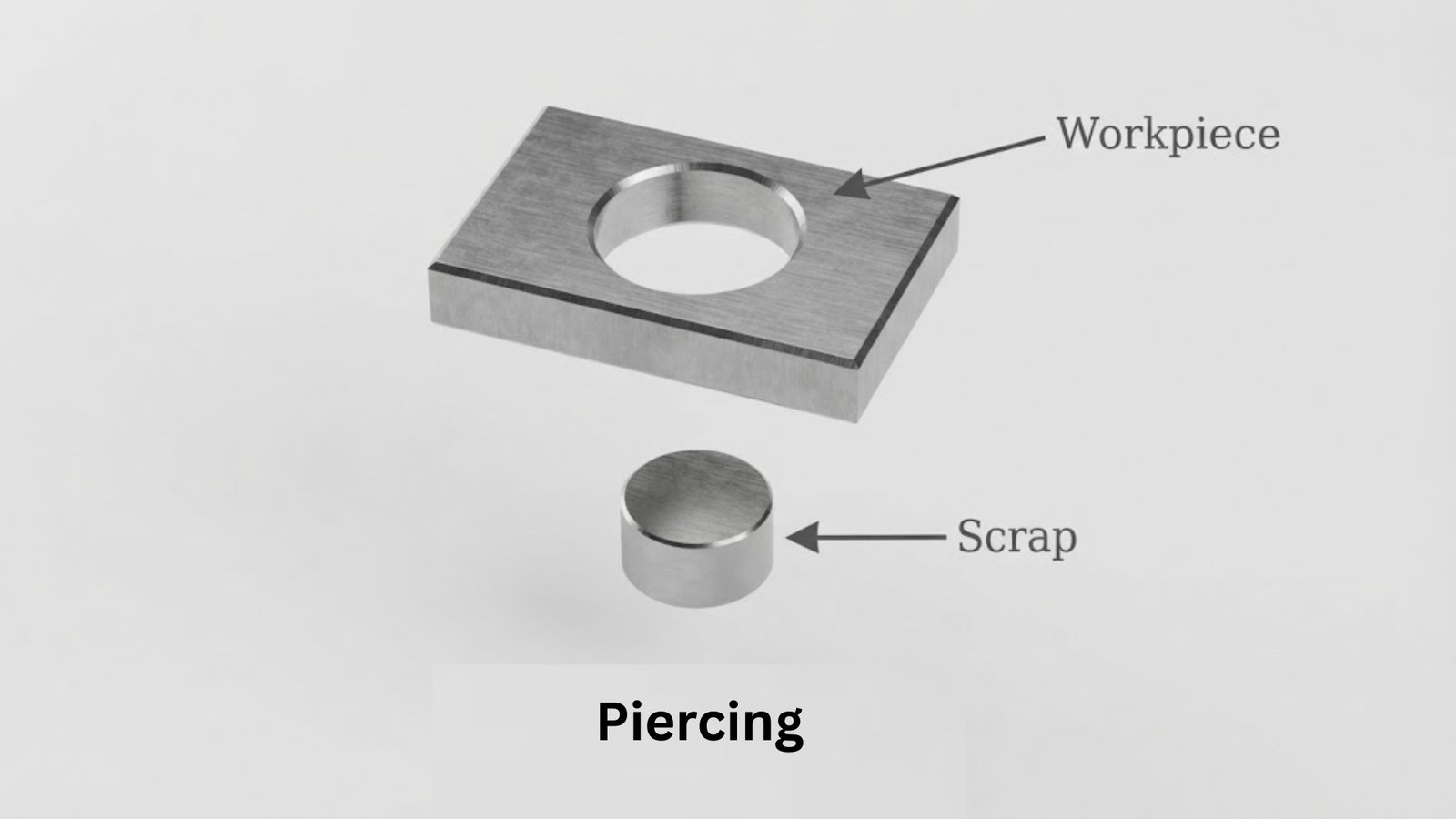
Piercing is a process of making holes or slots in the stamped steel sheet by employing a punch and die setup. During the punch, the material in the openings is removed, and the material in the surrounding sheets is not cut. These holes allow fastenings and other production requirements such as ventilation and mounting points.
Bending
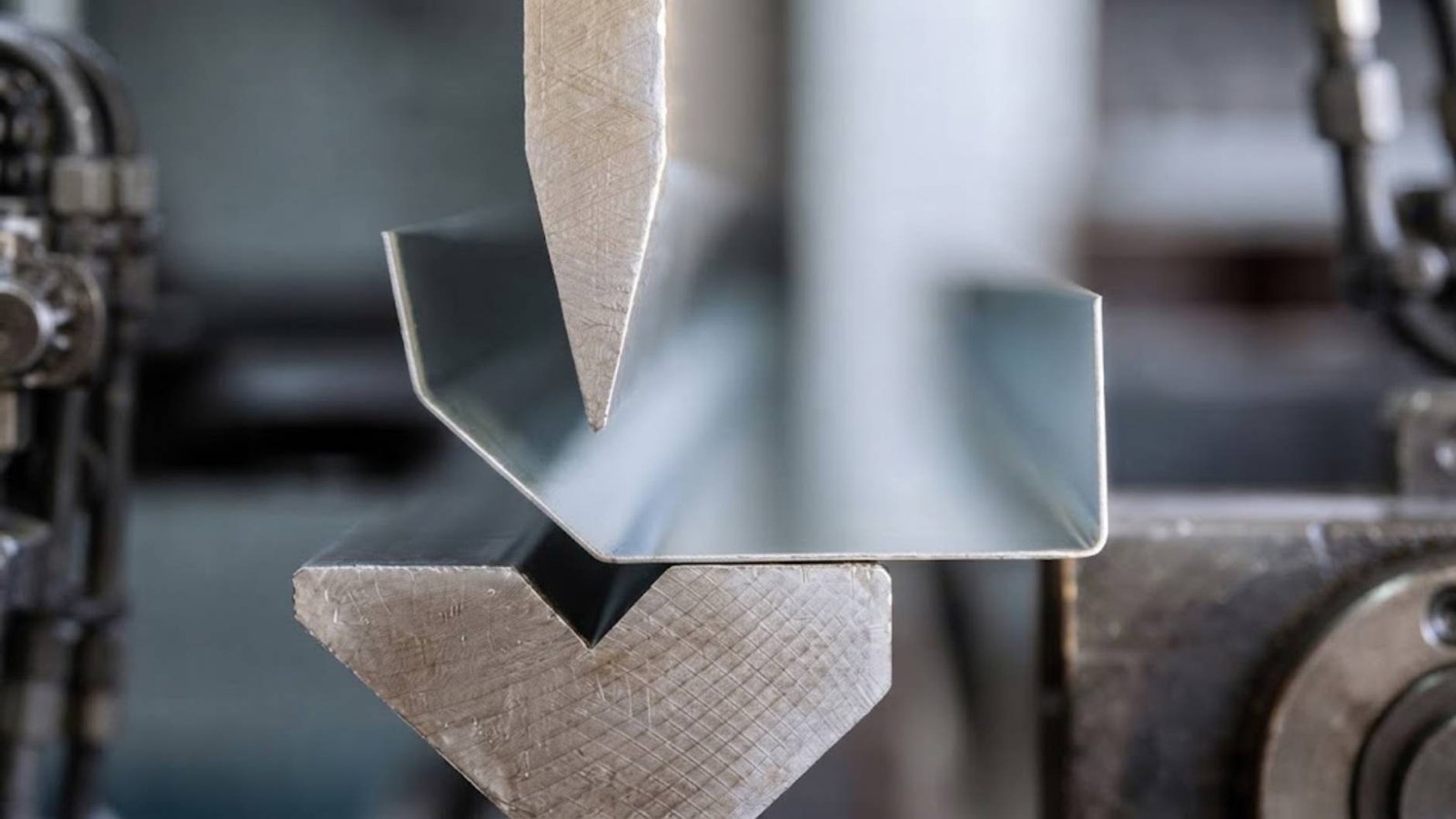
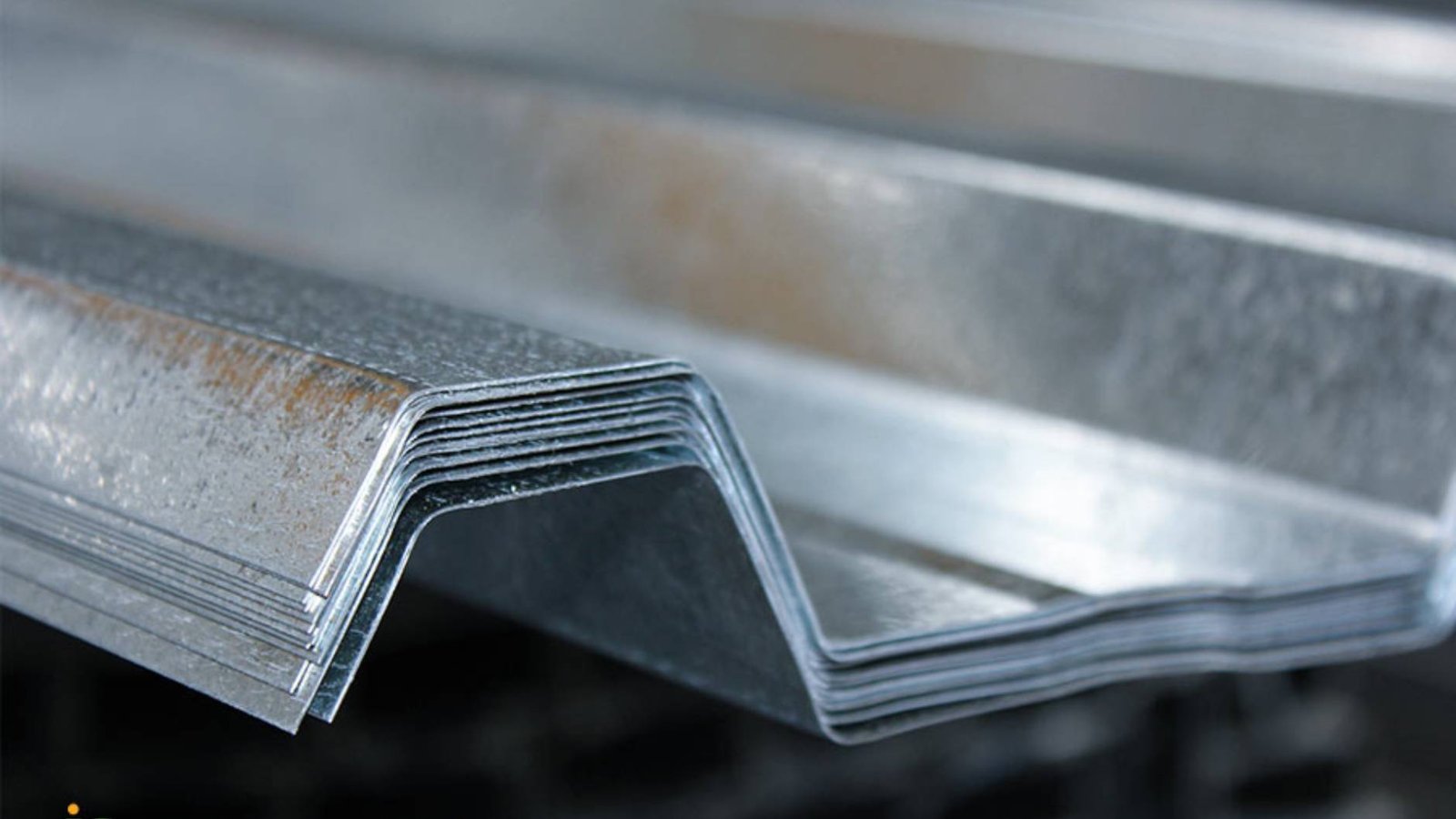
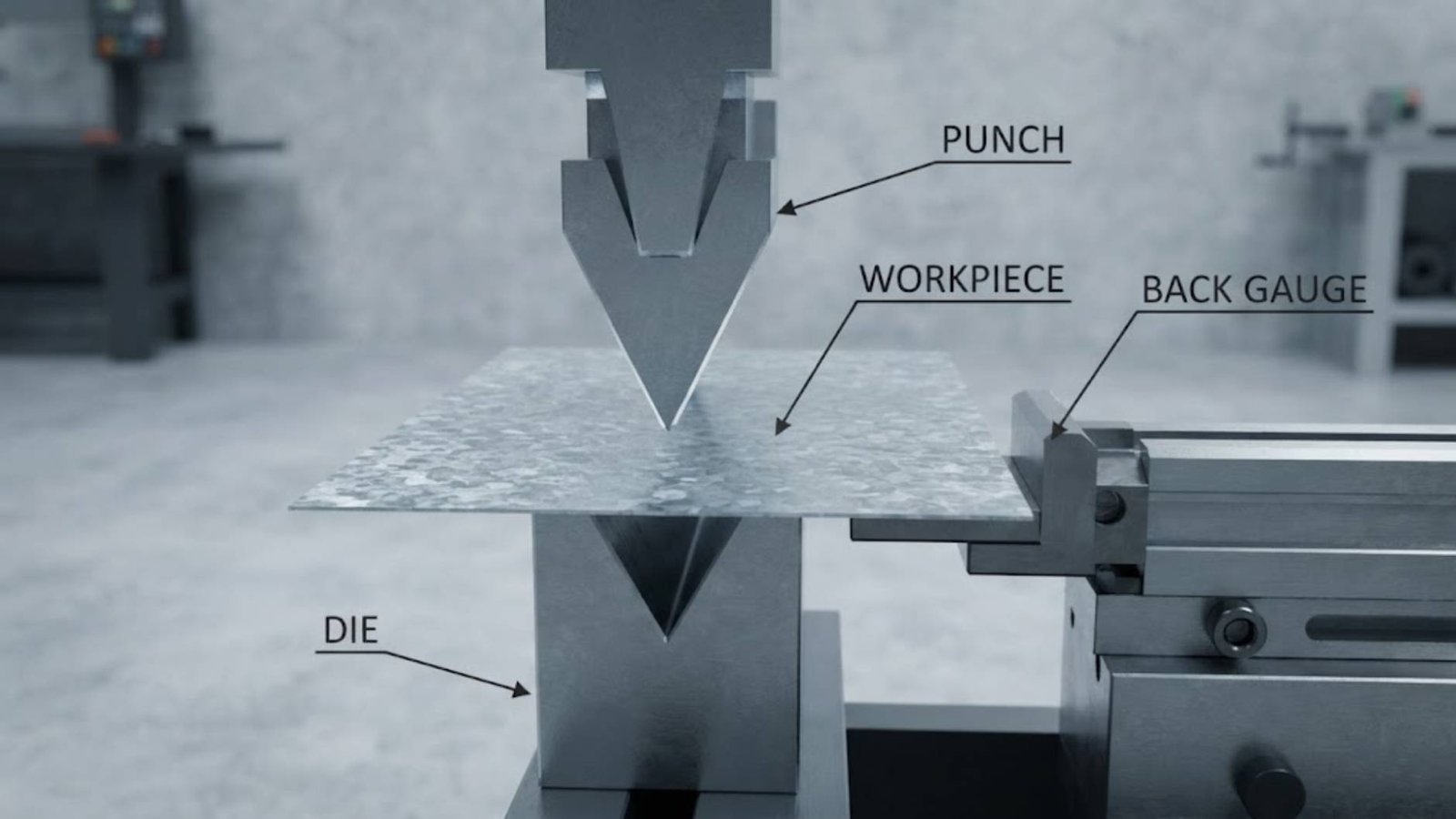
Bending is a process that shapes Galvanized steel blanks into specific angles, curves, channels and useful profiles. It is widely used to manufacture brackets, panels, housing, and structures in industrial manufacturing. Precise bends ensure the correct fit, alignment and mechanical support at the final assembly installation phase.
Forming
Forming processes create 3-D shapes from flat Galvanized blanks, but do not just remove material. This process is used to produce trays, structural shells and contoured panels for various uses. The resulting shapes offer the necessary rigidity, functional dimensions and geometry for stamped steel sheet applications.
Coining
Coining is performed under high pressure to impart surface features or to control displacement of material in localized areas. It is used by manufacturers for fine features, logos, flattened areas and a few dimensional details. This operation will give a definition that even standard forming may not have the necessary surface detail.
Deep drawing
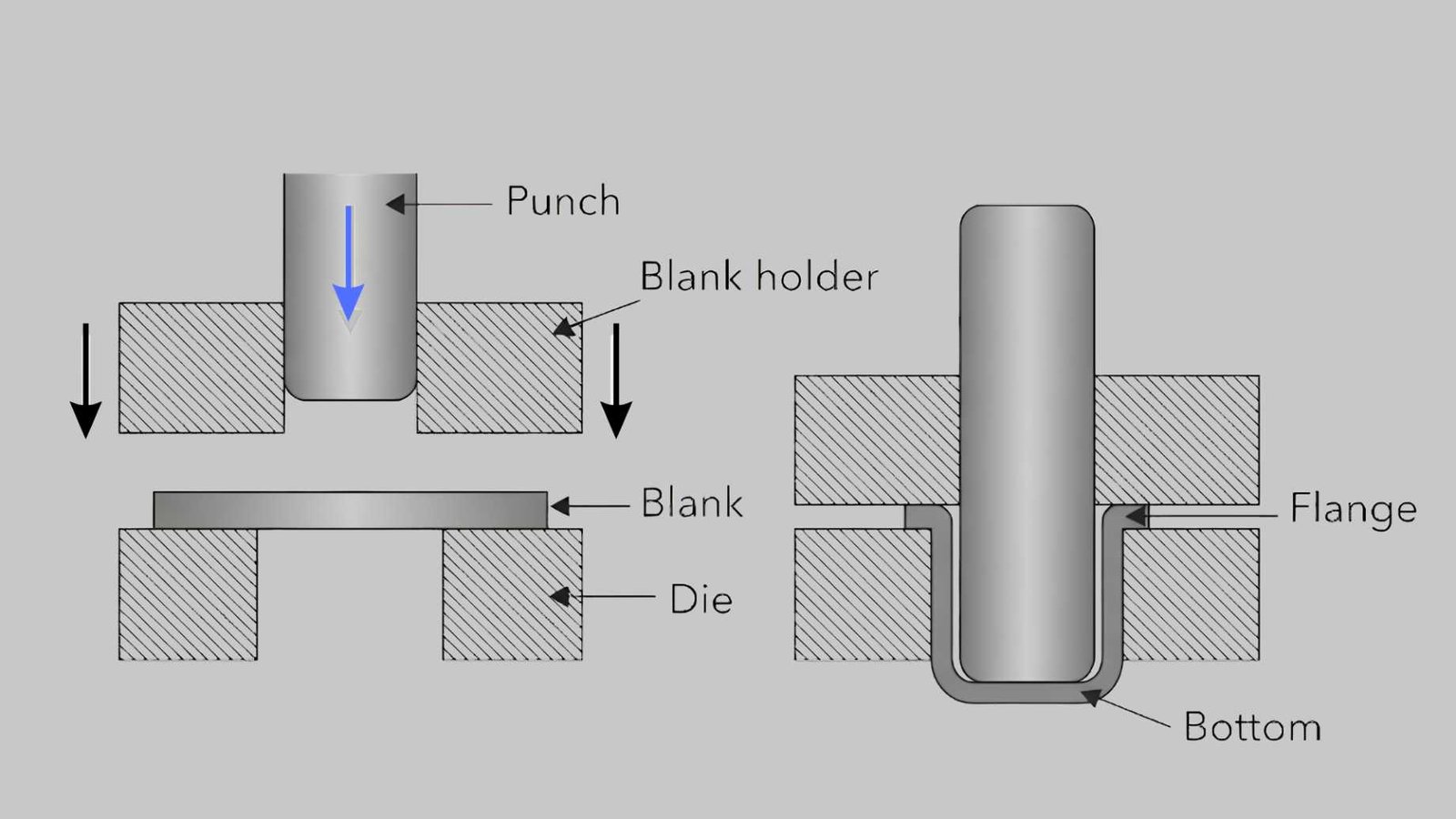
Deep drawing is the process of forming cup or box-like parts from flat blanks by controlling the flow of material. The pressure of the blank holder and sufficient lubrication during the forming process will prevent tearing or wrinkling. These controls are relevant to the manufacturing of Galvanized metal stamped parts with profiles that are stamped deeper.
Progressive die stamping
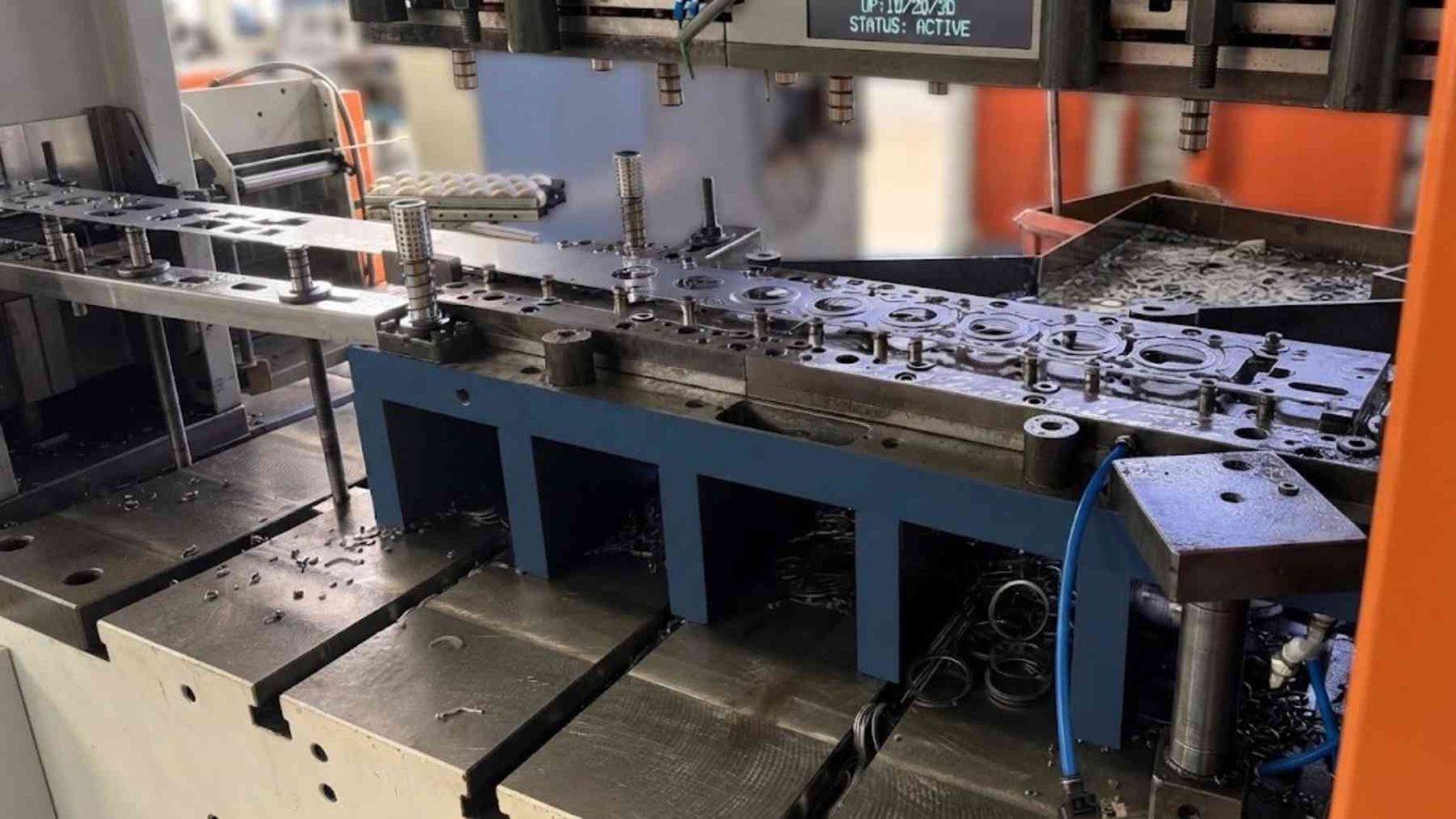
Progressive Die Stamping is the process of performing multiple operations on a single die line in sequence as the Galvanized sheet is stamped. This is useful for high volume production at high speed with repeated processing of the same components. It combines blanking, piercing, bending, forming and other functions efficiently and consistently.
Multi-slide/four-slide stamping
Multi-slide or four-slide stamping creates multiple, multidirectional bends in one machine operation. This eliminates the need for additional forming processes and makes the manufacturing of complex parts easier in general. It is an ideal method for stamped Galvanized metal parts with many bends, complex shapes, and high production rates.
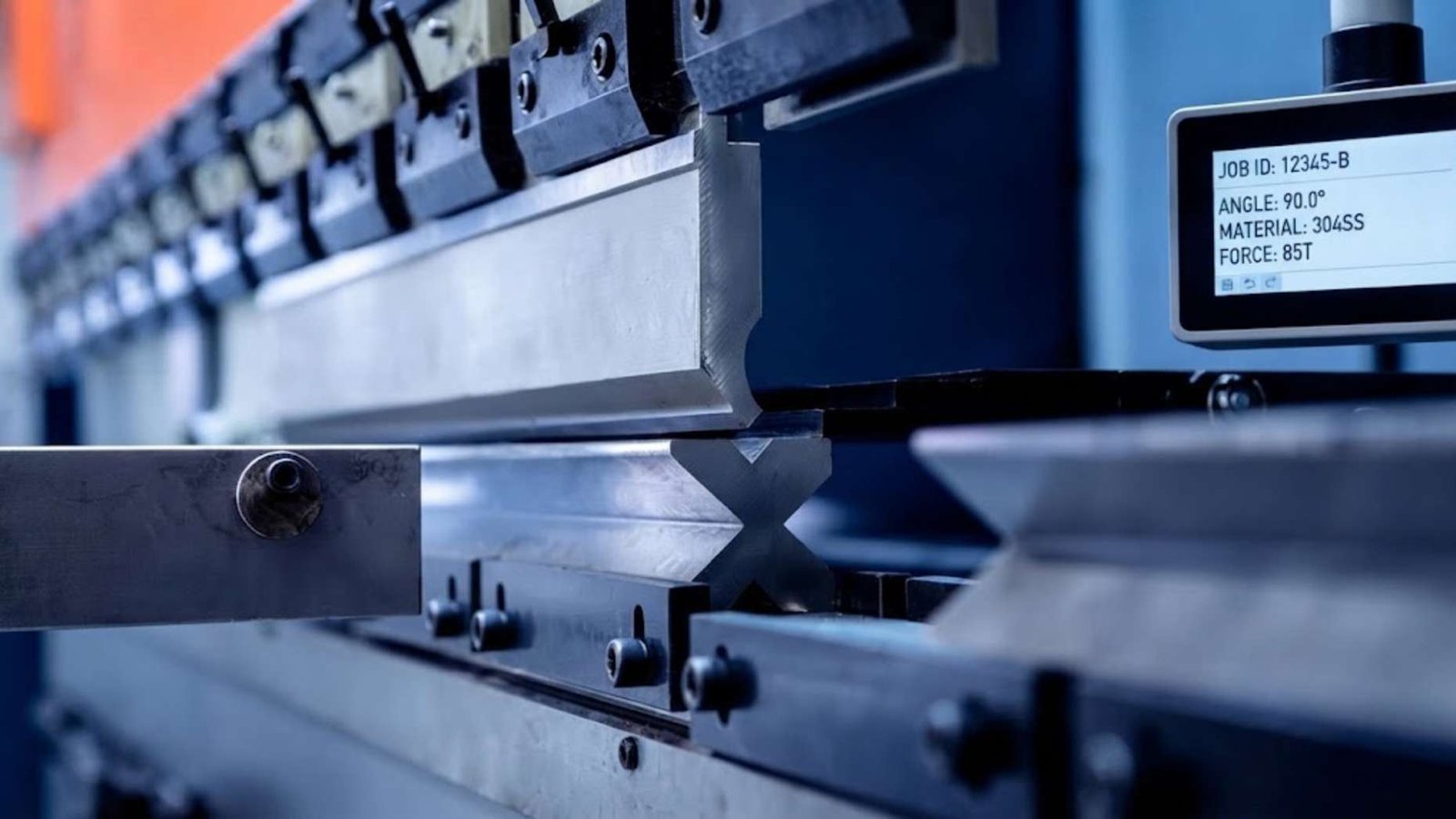
The galvanized steel stamping process — Step by step
Step 1: Material Selection and Coil/Sheet Preparation
The performance of Galvanized steel in stamping and service conditions is dependent on the material selected. Select the appropriate coating (hot-dip or electro-Galvanized) based on exposure, forming requirements and corrosion requirements. Choose DX51D – DX54D+Z or HX grades according to complexity, strength and coating weight required.
Step 2: Die Design and Tooling Setup
Die design controls forming accuracy, and damage to the zinc coating in the production process is limited. Engineers optimize die clearance, radii and tooling geometry for Galvanized sheet. When set up properly, friction, excess pressure, surface scratching and coating disruption are minimized during repeated stamping.
Step 3: Blanking and Piercing
Blanking is the cutting of Galvanized sheet to flat blanks, and piercing is the process for creating needed holes and cutouts. Proper punch-to-die clearance provides clean edges and helps prevent excessive burr formation during cutting. Controlled cutting also minimizes zinc chipping and damage to the zinc coating around new edges.
Step 4: Bending and Forming
Brackets, panels, housings and other parts were bent and formed from shape-prepared blanks. Galvanized steel can spring back, so it is necessary to have good tooling and press calibration to achieve the same results. The uniform pressure distribution keeps the coating geometry stable and prevents coating damage in certain areas of formed surfaces.
Step 5: Deep Drawing (Where Applicable)
Deep drawing is used to shape Galvanized blanks into boxes, cans, enclosure shells, and other deeper shapes. The result is lower friction between the tooling and coated steel during deformation as a result of consistent lubrication. Material flow is controlled by blank-holder pressure, which avoids wrinkles and thinning, as well as coating rupture during drawing.
Step 6: Coining, Embossing, and Flanging (Secondary Operations)
Secondary operations such as coining, embossing and flanging are performed on stamped parts to meet specific functional requirements. These processes are used for the production of structural flanges, sealing surfaces, and decorative or functional elements. Controlled tooling pressure maintains dimensional accuracy and minimizes unwanted deformation of Galvanized coating.
Step 7: Post-Stamping Treatment and Quality Assurance
Post-stamping treatment is for exposed or stressed areas resulting from cutting, forming and handling. The additional protection, if specified, is provided by trivalent passivation, e-coating or secondary zinc plating. Quality checks include dimensions, thickness of coating, adherence, surface condition and salt-spray performance verification.
Preserving coating integrity during stamping — challenges & engineering solutions
Zn flaking on coated surfaces is a problem in deep drawing that can result from too much stretching or die friction. Minimize friction and damage to the coating by optimising die clearances and using extreme pressure lubricants for forming operations. Sheared cuts leave bare iron, which can cause edge rust unless you close the edges after shearing. Protect vulnerable areas after blanking or piercing by e-coating or plating. The build-up of zinc increases wear, whilst tungsten carbide tooling and maintenance control, combined with generous radii and controlled tonnage, reduce thinning.
Design considerations for Galvanized steel stamped parts
Choose the thickness of the material used for Galvanized steel stamped parts when considering the requirements of the forming process, the capacity of the pressing machine, and the required accuracy of the parts. The thicker the sheets, the higher the tonnage of the press, but they will increase dimensional stability. Maintain bend radii that are large enough to minimize cracking of the coating along highly deformed bend lines. Make holes and slots of correct size for thickness to minimize tearing around coated edges. Coating thickness should be taken into account when calculating tolerances, particularly for tight-fit parts. Work out tooling and coating requirements in advance to reduce stress concentration and damage to coatings.
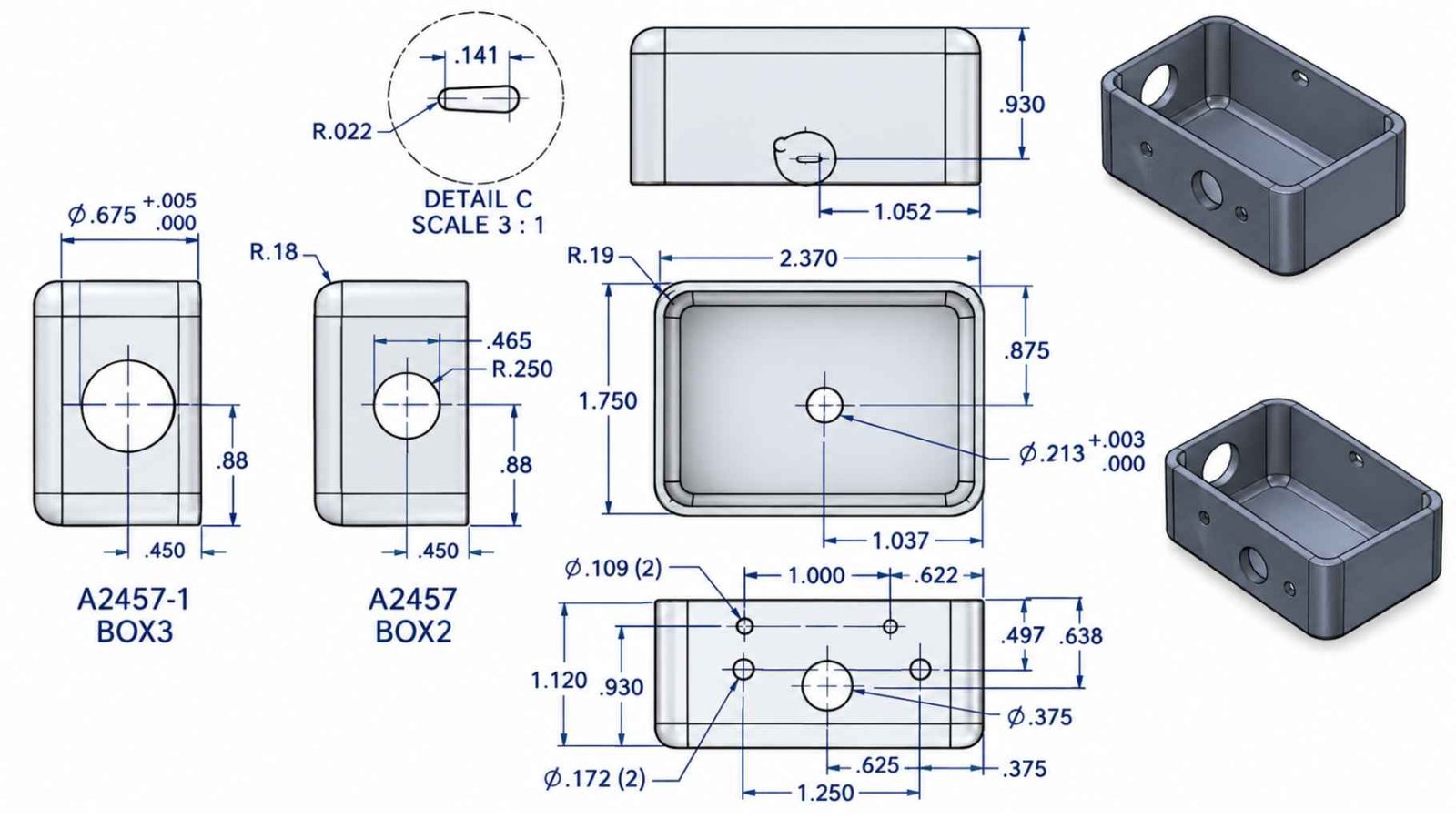
Common defects in galvanized steel stamping and engineering fixes
Defect | Root Cause | Solution |
Zinc flaking | Excessive stretch during deep drawing | Optimized die clearance, extreme-pressure lubricants |
Edge rust | Bare steel exposed at sheared/cut edges | Secondary coatings, passivation, e-coating |
Springback | Elastic recovery after bending | Overbending, die geometry compensation |
Wrinkling | Uneven blank-holder pressure | Servo-controlled pressure systems |
Galling/surface marks | Zinc buildup or dirty dies | Regular die cleaning, specialized lubrication |
Applications of Galvanized steel stamped parts
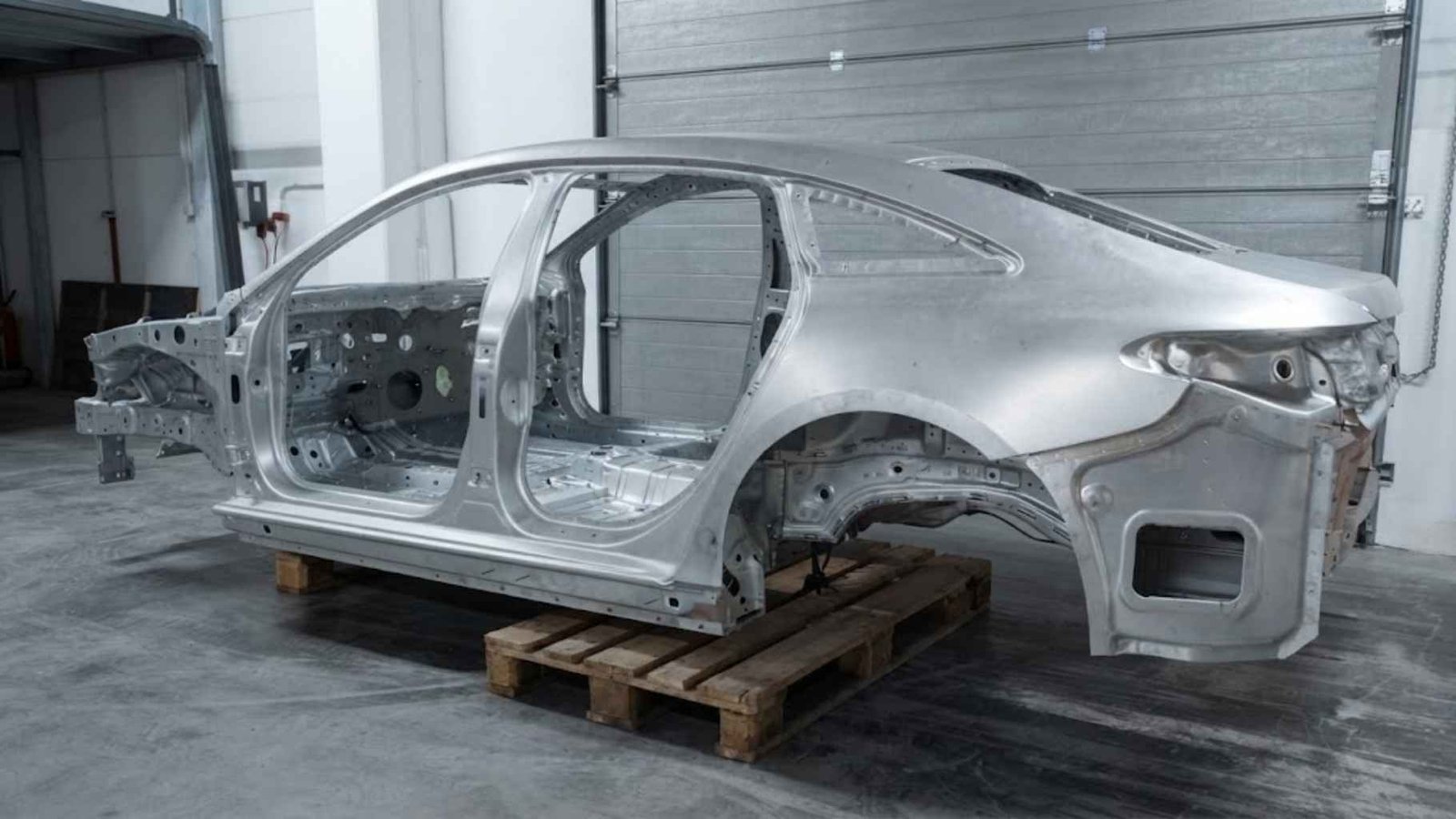
Automotive: Galvanized stamped parts are used for fuel brackets, tailgate lifts and door locks. These are also suitable for body brackets and exhaust flanges. They are zinc-coated to resist corrosion caused by wet weather, road salt and exposure to the outdoors.
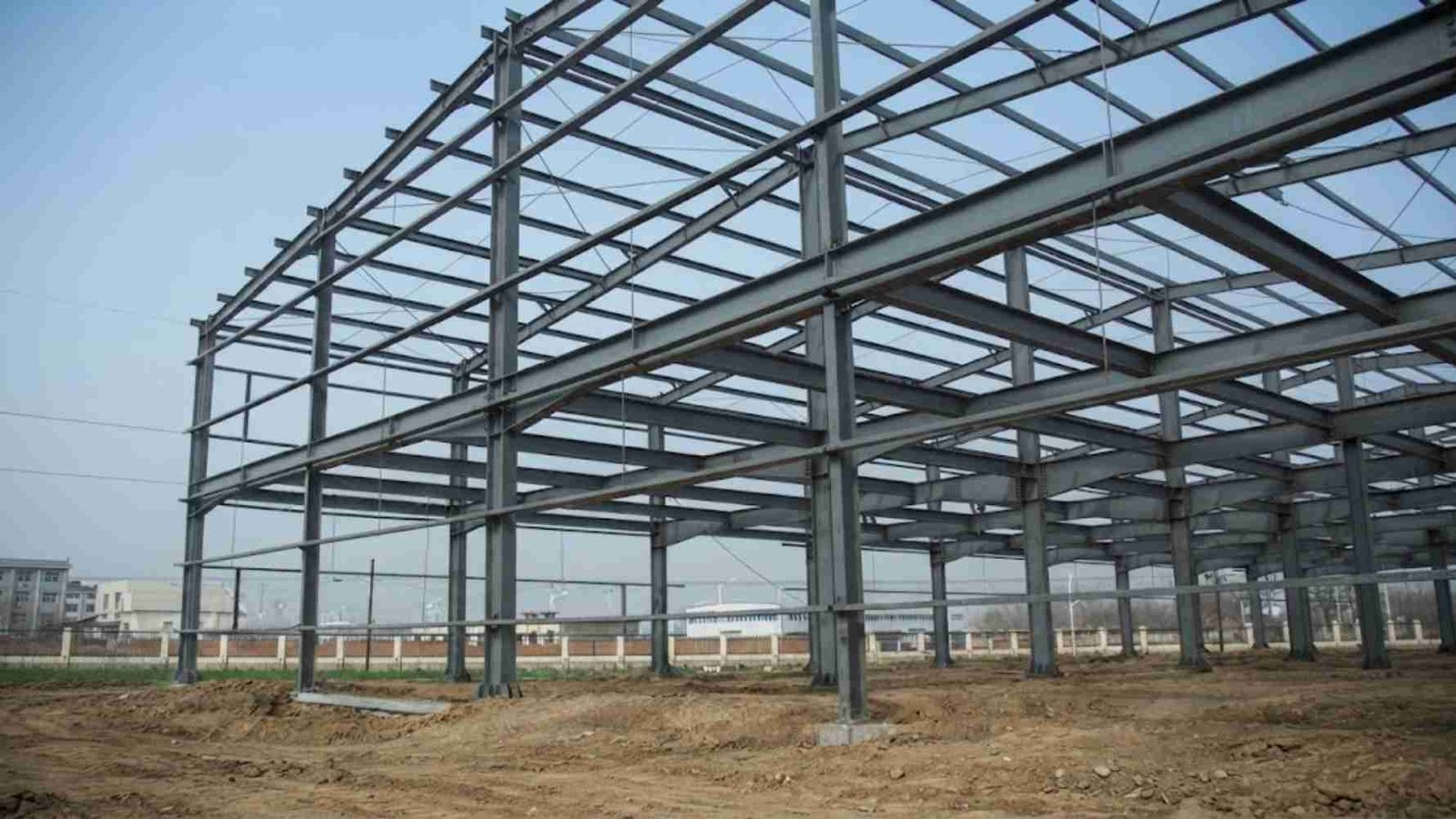
Construction: Galvanized stamped parts are used by builders in steel joints, roof gutters and structural panels. They also provide seismic connections where durability is an issue. Their corrosion resistance ensures components can endure varying weather conditions over extended periods of time.
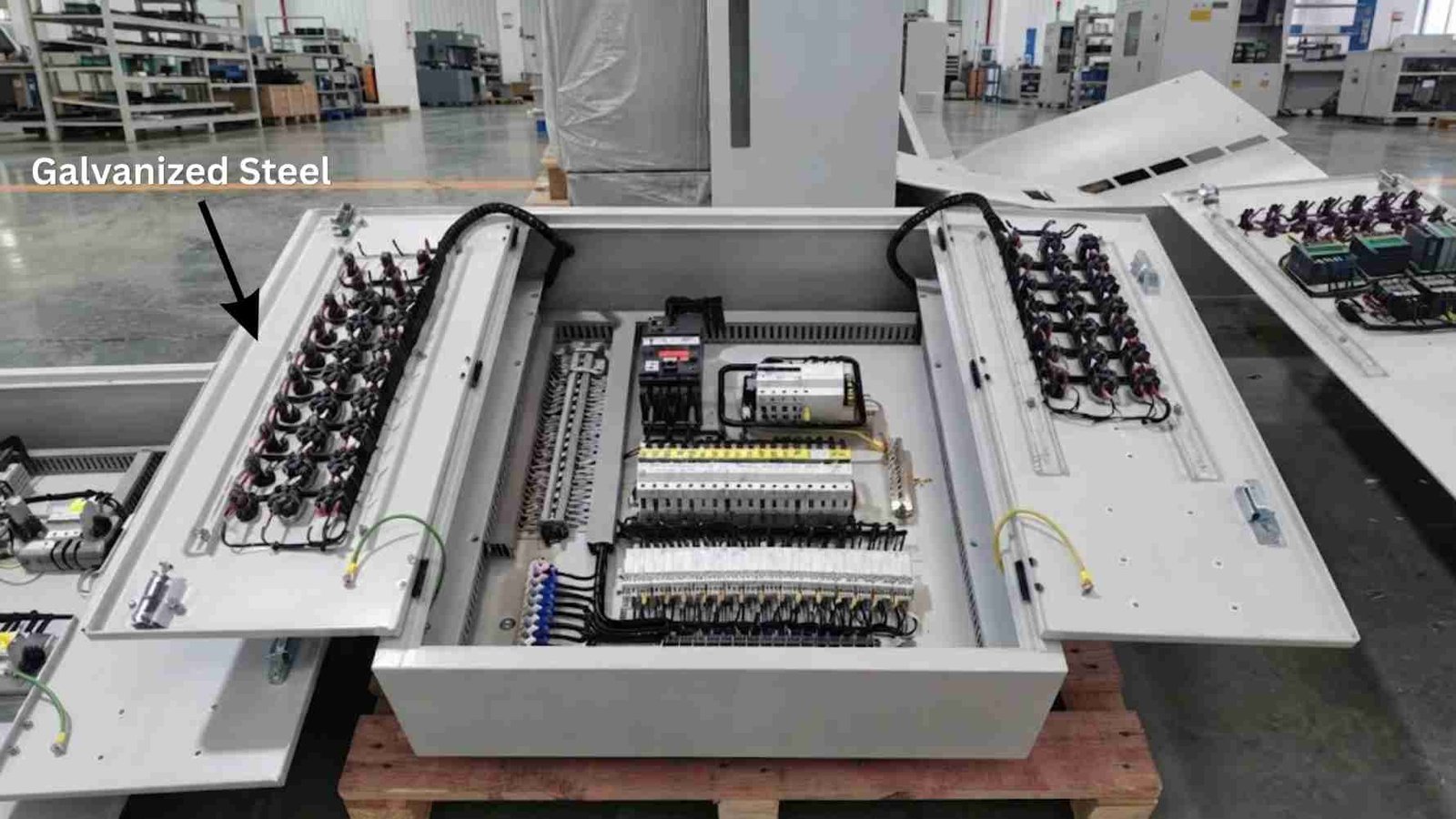
Electrical and Electronics: Galvanized stamped steel is commonly used for electrical enclosures and junction boxes. This material can also be used to help make UL-approved boxes. Precise stamping ensures clean knockouts, and coating helps to minimize corrosion caused by moisture.
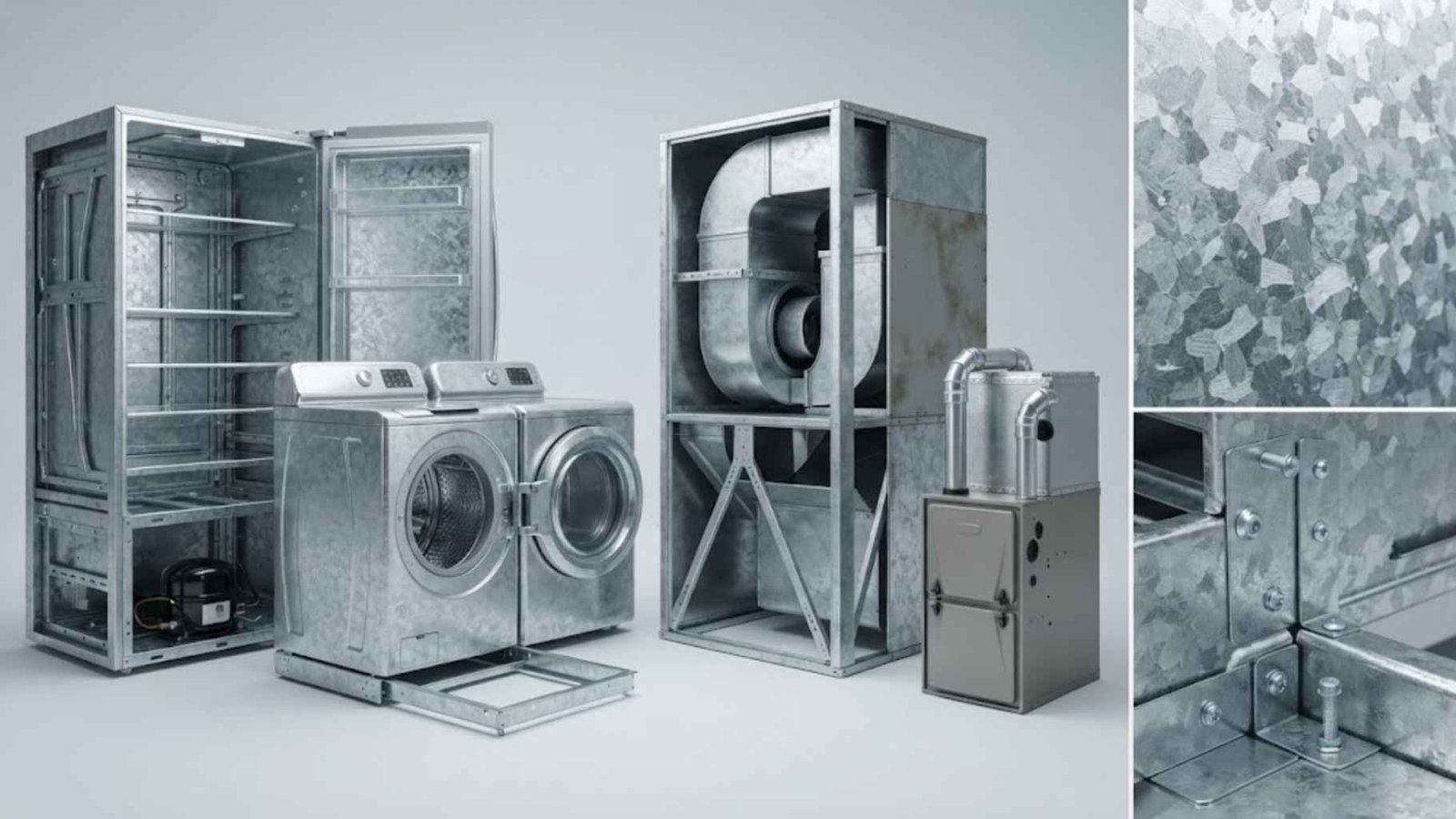
Appliances and HVAC: Examples of Galvanized Stamped Parts are washer drum brackets, oven hinges, and HVAC systems. They also hold ducts, vents and other related components. They can resist corrosion, which is suitable for places with high humidity and temperature changes.
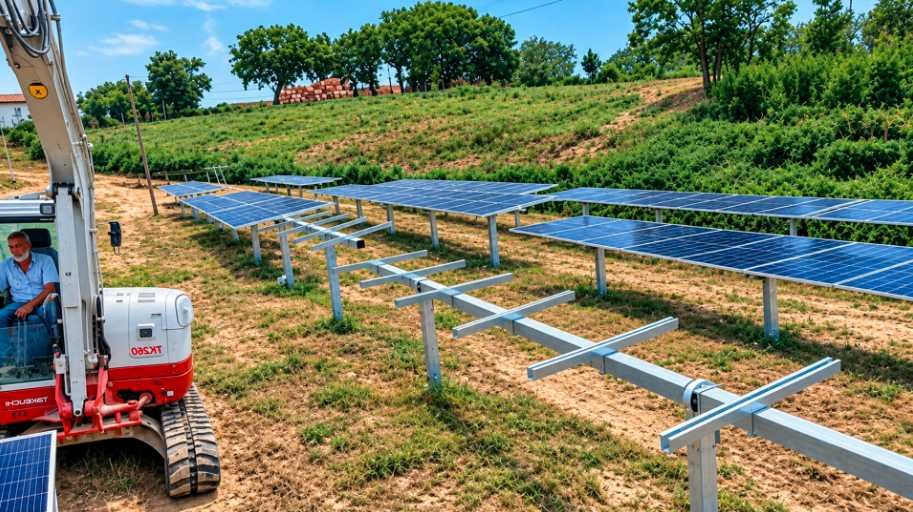
Agriculture and Energy: Durable stamped steel parts are used in the agriculture and energy sectors as harvester guards and seed plates. Galvanized steel is also used in solar mounting clamps and wind tower flanges. Its strength and corrosion resistance make it a good choice for battery enclosures.
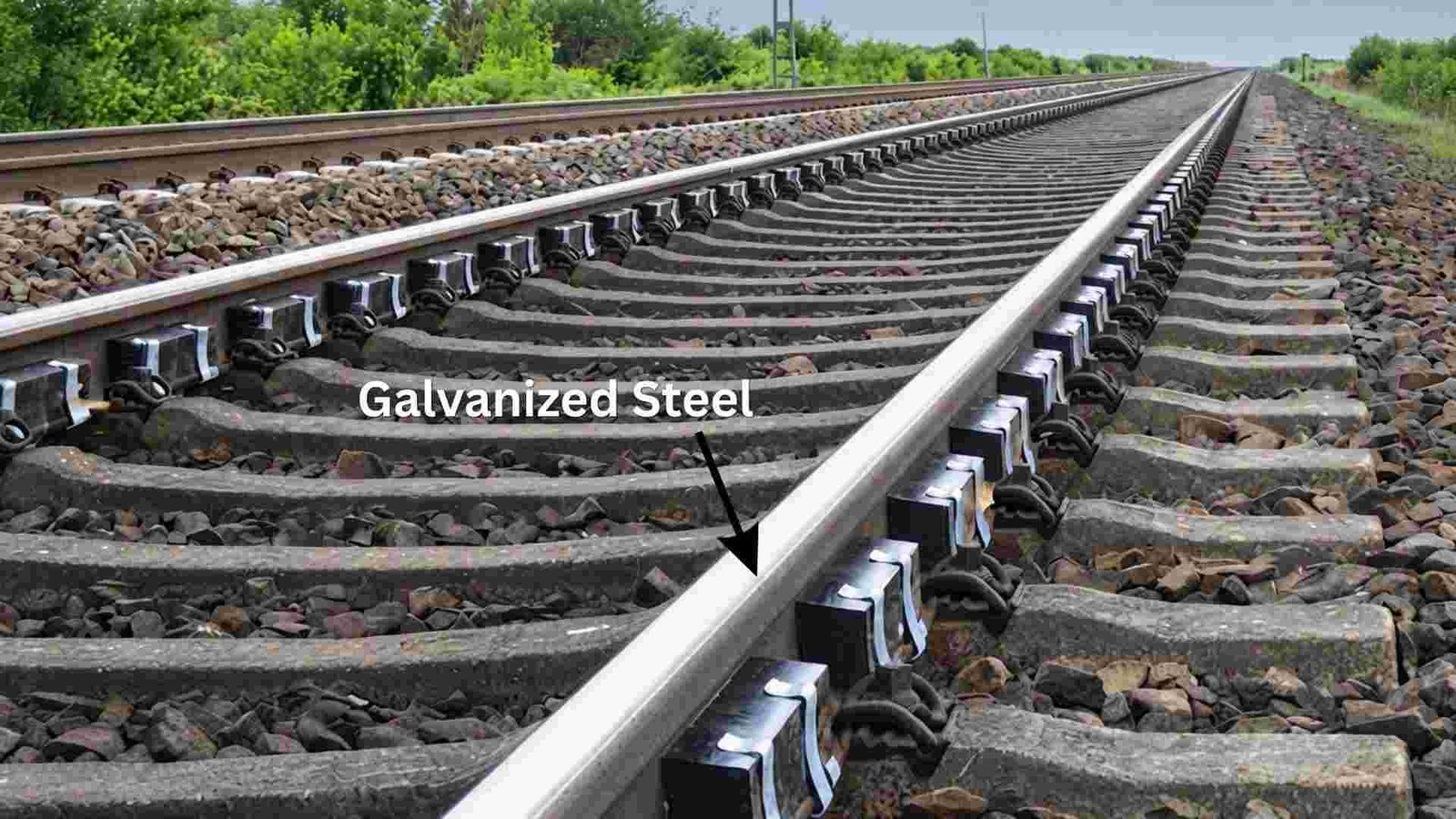
Rail Transit: Galvanized stamped parts for seat frames, pantograph parts, and signal boxes. The applications are exposed to rain, humidity and outdoor contaminants. Galvanized coatings are used to give extra corrosion protection for long-term use on the rail infrastructure.
Can I stamp Galvanized steel? – Feasibility & best practices
Yes, one can stamp Galvanized steel effectively when engineering, tooling, clearance and lubrication are optimized. The metallurgical bonding is extremely strong, and the zinc coating can withstand stamping pressures of 50–500 MPa without delamination. In extreme forming, the zinc can micro-crack, but these cracks are usually not visible on the surface and do not affect corrosion resistance. Blanking will leave exposed edges of steel that may require passivation, e-coating or plating after blanking. Pre-Galvanized steel is usually more appropriate for stamping than heavier G275+ coatings, which can cause tool wear.
Best practices for success:
Choose a Certified Specialist: Work with an ISO 9001 or IATF-certified specialist to ensure reliable Galvanized steel stamping. They are knowledgeable about your forming and coating needs.
Specify Material Clearly: Give the exact Galvanized grade (DX51D+Z, DX52D+Z, etc.) in drawings. Also give coating weight (e.g. G60 or G90).
Review Design Before Tooling: Consider a DFM review with your Tooling House prior to production. This aids in coating preservation during forming and eliminates unnecessary tooling problems.
Verify the First Article: Approve First Article inspections prior to release of full production quantities. Include dimensional checks on CMMs in addition to coating thickness checks to assure consistent part quality.
Plan Secondary Treatments: Passivation or e-coating may be desired for certain applications, which require increased corrosion resistance. Early integration of secondary treatment avoids delays in the workflow and specification issues.
Control Stamping Parameters: Set punch-to-die clearance, lubrication and press tonnage limits. These controls reduce the damage to the coating during stamping of pre-Galvanized steel.
Masion: Vertically integrated manufacturing for Galvanized steel stamped parts
Established in 2007 in Ningbo, China, Masion is now a 30,000 m³ factory with 400 employees and more. More than 7 million sheet metal parts can be sourced each year to meet prototype and high-volume production needs. It has all the built-in features of laser cutting, CNC punching, stamping, bending, robotic welding, riveting, tube processing, injection, assembly & finishing. DFM support and prototyping can be used to discover coating-damage risks and to optimize die designs prior to production. Integrity and dimensional accuracy of Galvanized steel stampings are verified by in-house inspection. This integration minimizes the risk of handoffs, lead times and consistency issues with Galvanized metal stamped parts.

Conclusion
Galvanized steel stamping brings together the strength, formability and corrosion resistance required for high-stress parts for automotive, construction, electrical and industrial applications. Choosing the proper grade, coating weight, tooling, lubrication, and method of forming can help maintain the integrity of the coating and the dimensional accuracy. Masion has integrated manufacturing, DFM guidance, prototyping, inspection and finishing capabilities for Galvanized steel stamping. The vertically integrated production concept helps control production needs from material preparation to final processing, which is a practical solution in the case of Galvanized stamped parts that need to be produced in a certain quality and in large quantities.
Frequently asked questions
Does stamping Galvanized steel affect coating quality?
Yes, the stamping process can cause micro-cracks, flaking, or powdering if it is severely deformed and stresses the zinc film. DFM (Damage Free Materials) support and prototyping are used to detect coating damage risks prior to production at Masion. Coating integrity is maintained with proper die radii, compatible lubrication and appropriate Galvanized grades.
What design factors affect Galvanized steel stampings?
Stamped Galvanized parts are affected by material selection, coating thickness, bend radius, hole size, hole spacing and springback. DFM support enables Masion to design the die optimally according to these factors. Smooth tooling and balanced geometries also help to minimize galling, distortion, burrs and damage to local coatings.
What finishes work with Galvanized metal stamped parts?
Galvanized stamped parts can be powder coated, e-coated or conversion coated after appropriate surface preparation. Masion offers integrated finishing processes for Galvanized parts that need extra protection. A proper cleaning process eliminates forming oils, and a proper pretreatment process enhances the bonding of the coating and reduces bubbling.
How do you prevent cracks in stamped Galvanized steel sheets?
To manage stress during forming, make use of larger bend radii, polished tooling, proper lubricants and moderate stamping speeds. Choose steels that have enough elongation for severe operating conditions. Masion’s prototyping process can also help to pinpoint cracking risks prior to going for high-volume Galvanized stamping.
How does pre-Galvanized steel stamping affect edges?
The steel core is exposed at the cut edges and may be subject to sacrificial cathodic protection from nearby zinc. Masion’s inspection processes ensure that edge quality and dimensional accuracy are checked. The correct die clearance will reduce burring, but too thick a clearance or exposure to the sea can speed up edge corrosion.