Aluminum Metal Stamping – Explore Types, Benefits, Process, and more
Aluminum is about one-third the weight of steel, and for every 10% reduction in vehicle weight, fuel economy increases by 6-8%. This is why aluminum metal stamping provides accurate and lightweight parts across automotive, aerospace and electronics. Recycling also saves about 95% of the energy used in primary production. This article walks you through the steps from alloy selection to quality control, including tooling, forming, design, defects, and finishing. Masion offers custom stamping projects from design and prototype to finishing.
What is aluminum metal stamping?
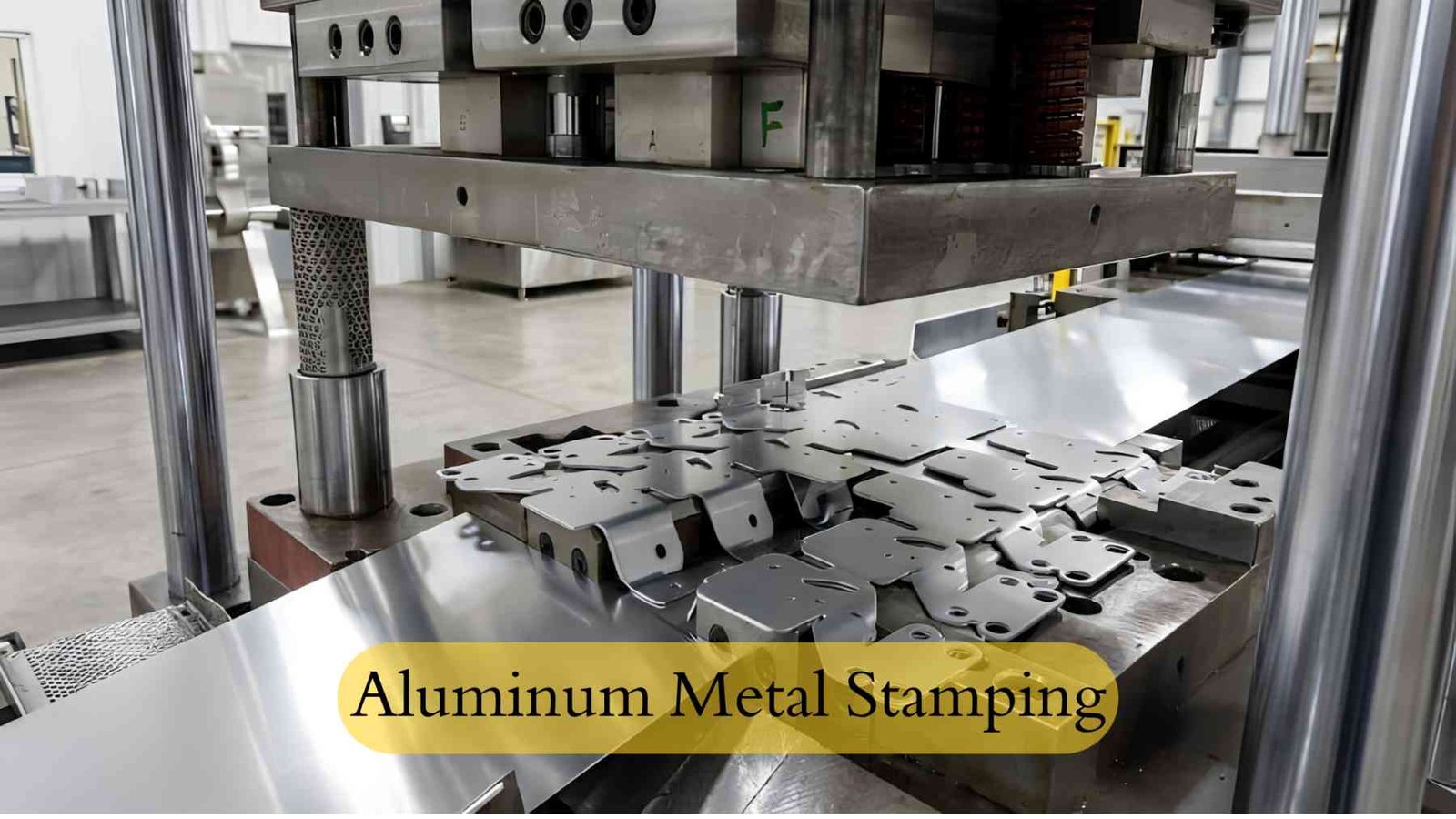
Aluminum Sheet Metal Stamping is a process that involves the use of presses and dies to transform flat aluminum sheet or coil into the desired finished product. The process is usually carried out at a low temperature, and the material remains solid during the forming operation. A press is used to exert force, causing the sheet to press against or into a shaped die. This controlled pressure cuts, bends or reshapes aluminum without melting it. Metal stamping of aluminum does not involve molten metal in the production process, unlike casting. It is not a process of removing material by cutting tools like machining. Stamped aluminum sheet metal is available for making repeatable and near-finished parts for a wide variety of applications.
Why choose aluminum for stamping? – Material science and perks
Low weight: Aluminum is much lighter than steel and yet is still structurally useful. Low density for lighter stamped parts and handling.
Natural corrosion resistance: Aluminum immediately develops an oxide layer when exposed to air. This protective layer is useful to slow down further corrosion and minimise surface maintenance.
Thermal and electrical conductivity: Aluminum has high thermal and electrical conductivity that is beneficial in thermal-management components. It also has electrical conductivity, which leads to its use in current-conducting parts.
Excellent ductility and malleability: Aluminum can be stamped to a large extent without cracking. This property assists manufacturers in creating complex shapes with less material failure.
Recyclability: Aluminum is a material which can be recycled without losing its key characteristics. The energy used for recycling is also significantly lower than that used to make primary aluminum.
Understanding key aluminum alloys for stamping
The selection of appropriate aluminum alloy stamping material directly determines strength, formability, durability and the performance of finished parts.
Knowing the temper designations will help you to more accurately anticipate the behaviour of aluminum during forming and other operations. F and O tempers typically have better formability, and H and T tempers have higher strength. W indicates a solution heat-treated condition, typically prior to ageing, which changes the properties of the material.
When choosing your alloy, take into account the required strength, corrosion resistance, service conditions, and complexity.
Alloy & Temper | Primary + Other Alloying Elements | Tensile Strength (approx.) | Formability | Corrosion Resistance | Typical Stamping Use | Notes for Die Design |
1100-O | 99%+ aluminum; trace copper (~0.05–0.2%), trace iron/silicon | Low (~90 MPa) | Excellent | Excellent | Decorative trim, reflectors, electrical conductors, shallow-drawn parts | Very forgiving; minimal springback; not for structural loads |
3003-H14 | Manganese (~1.0–1.5%); trace copper (~0.05–0.2%) | Low–moderate (~130 MPa) | Good | Good | HVAC panels, appliance covers, cookware, roofing components | Good balance of strength and workability; common general-purpose grade |
5052-H32 | Magnesium (~2.2–2.8%); chromium (~0.15–0.35%) | Moderate (~215 MPa) | Excellent (best strength-to-formability balance) | Excellent, especially marine/saltwater environments | Automotive brackets/panels, marine components, fuel tanks, enclosures | Widely considered the “workhorse” stamping alloy; predictable springback |
6061-T6 | Magnesium (~0.8–1.2%) + Silicon (~0.4–0.8%); trace copper, chromium | High (~275 MPa) | Moderate (heat-treatable, less ductile than 5052) | Very good | Structural brackets, EV chassis parts, frames, load-bearing components | Requires larger bend radii (~2× thickness) to avoid edge cracking; higher press tonnage needed |
6063 | Magnesium (~0.45–0.9%) + Silicon (~0.2–0.6%); trace iron, manganese | Moderate | Good, excellent extrudability | Very good, ideal for anodizing | Architectural stamped/extruded parts, window and door frames, decorative trim | Favored where anodized cosmetic finish is required |
2024 | Copper (~3.8–4.9%); magnesium (~1.2–1.8%), manganese (~0.3–0.9%) | High (~470 MPa) | Low–moderate | Poor (typically requires coating/cladding) | Aerospace structural parts, high-stress components | Heat-treatable; corrosion protection (cladding/coating) usually mandatory |
7075-T6 | Zinc (~5.1–6.1%); magnesium (~2.1–2.9%), copper (~1.2–2.0%), chromium (~0.18–0.28%) | Very high (~505 MPa) | Low | Moderate | Aerospace and defense parts, high-strength brackets, sporting goods | Most difficult to form; typically limited to simpler geometries or combined with secondary machining |
Types of aluminum metal stamping operations
Blanking and piercing
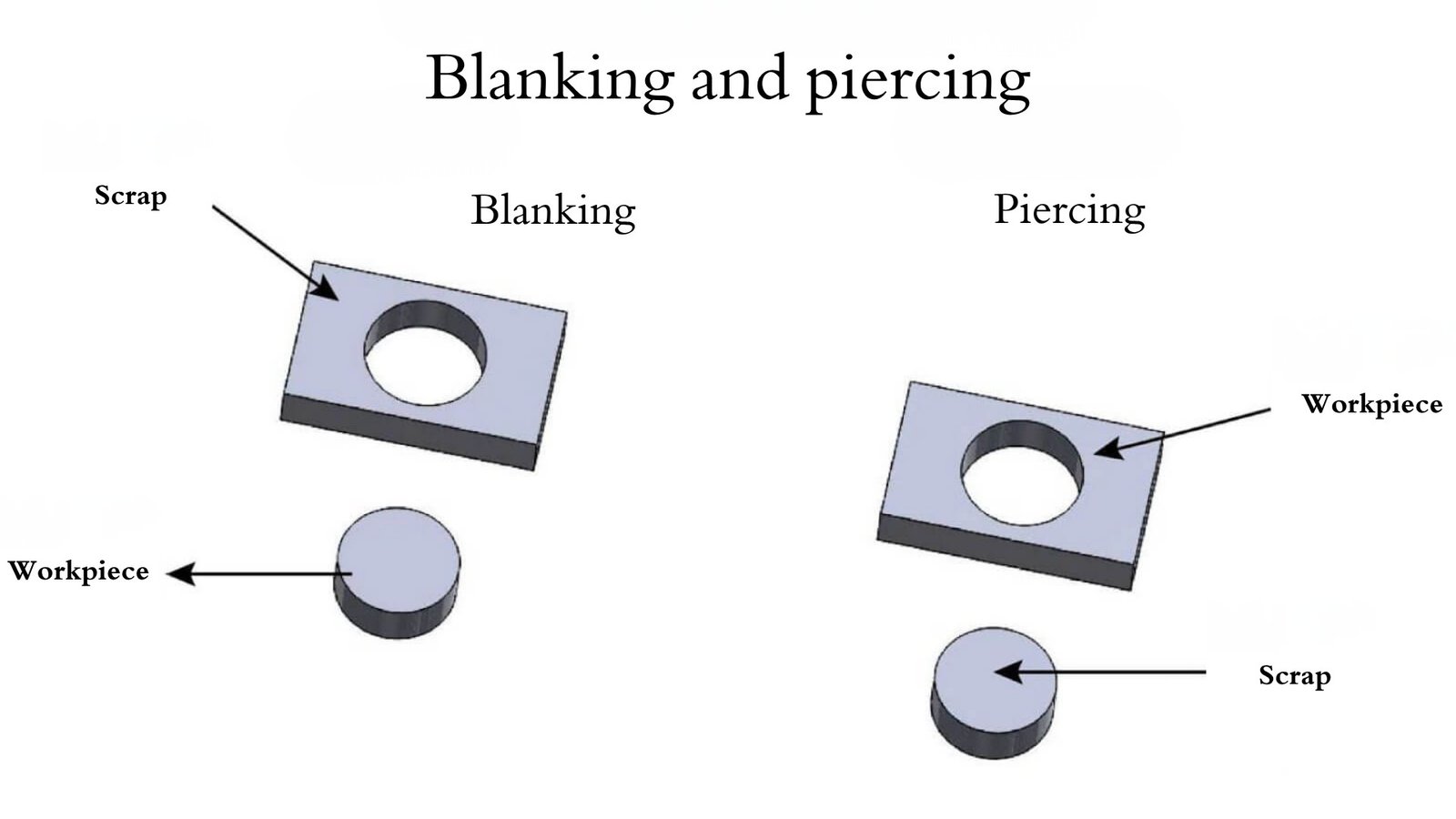
Blanking is used to produce finished aluminum parts from sheet by removing the material, while piercing is used to make holes without material removal. They both employ accurate punches and dies, and a normal clearance is 6–10% of the sheet thickness. Nesting designs can be used to increase material utilisation by 15- 25% and help to produce custom aluminum components efficiently.
Bending and forming
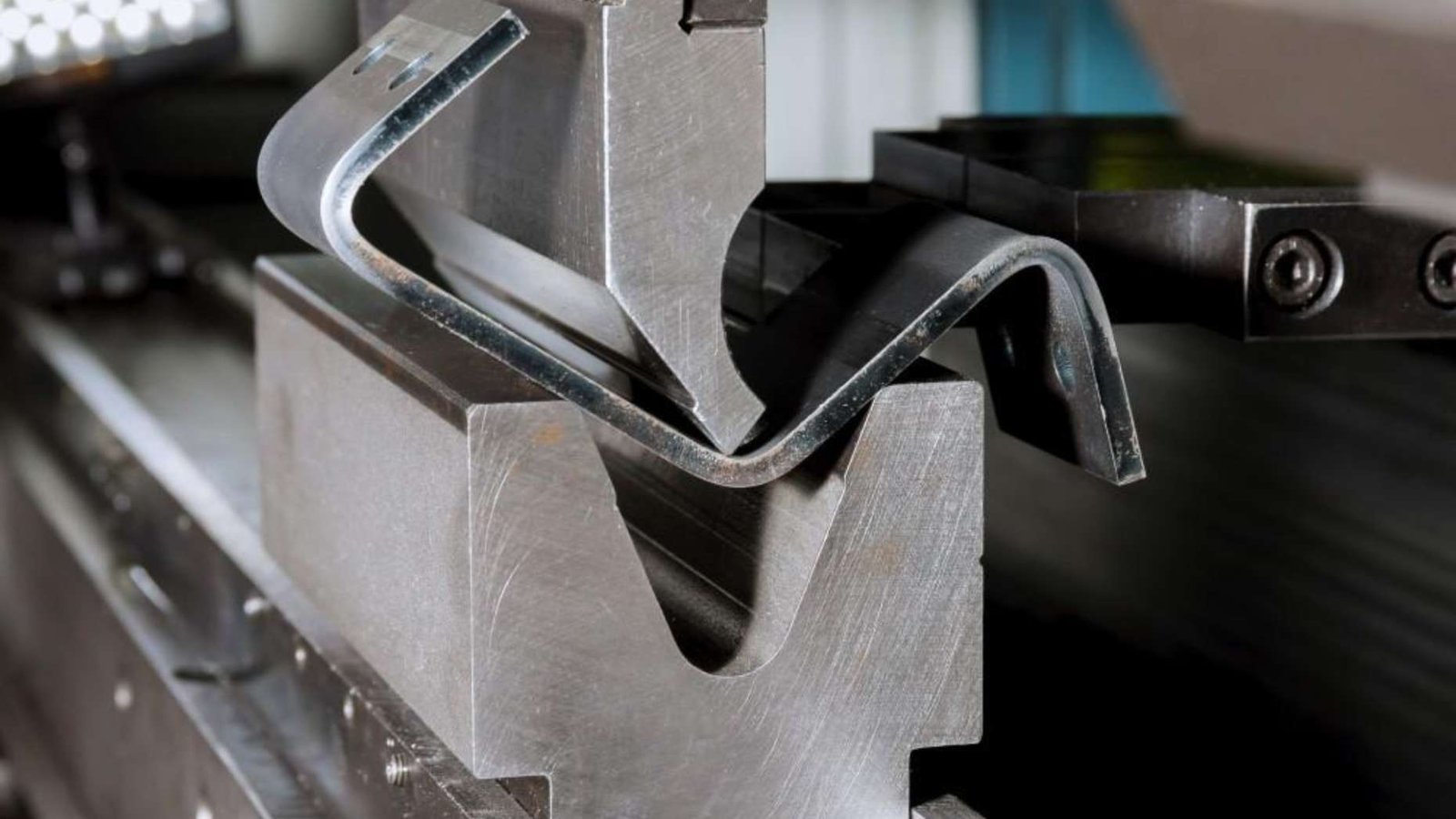
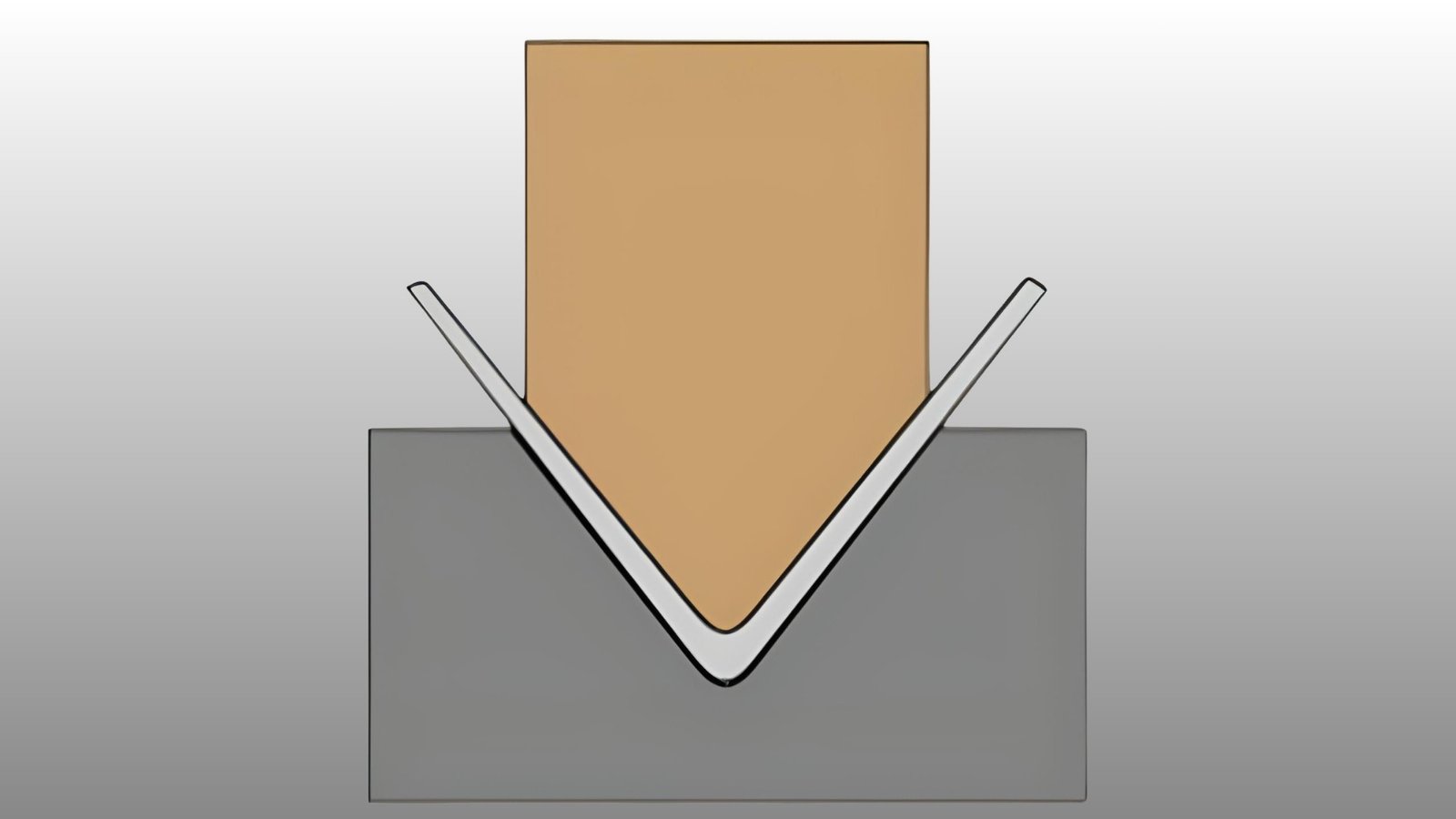
Angle, curve, and bend aluminum sheets into 3D shapes for finished parts. The typical inside radius is 1.5 x thickness; 6061-T6 may need 2 x thickness. Smooth radii decrease the stress concentration during aluminum stamping operations, and overbending counteracts springback.
Deep drawing
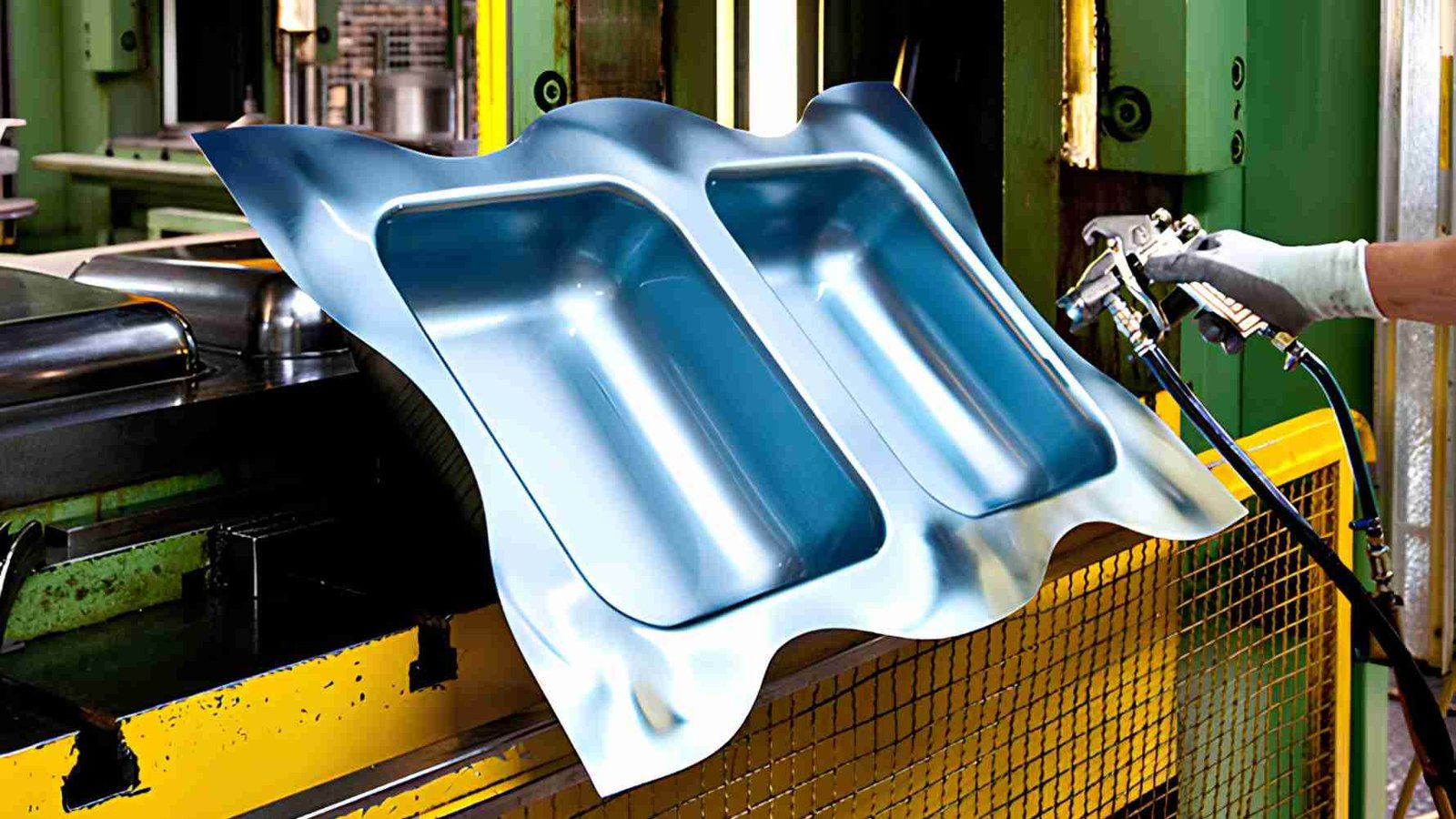
Deep drawing is a metalworking process that is used to create cup-shaped or shell-like parts from flat aluminum blanks for enclosures and formed housings. Smooth radii, even blank-holder pressure, and uniform lubrication help to avoid wrinkles in repeated drawing operations. Simulation can minimise the variation in draw-depth up to 30% and help to achieve consistent results in production.
Coining
Coining is a local process of refining the edges, flattening the surfaces and improving dimensional precision during the processing of aluminum. It is suitable for enclosures that are either electronic or fluid-tight, where fine detail and accurate features are produced by the controlled flow of metal. This finishing process is ideal for metal stamping parts that need high accuracy and repeatability with regard to surface and geometry.
Progressive Die Stamping
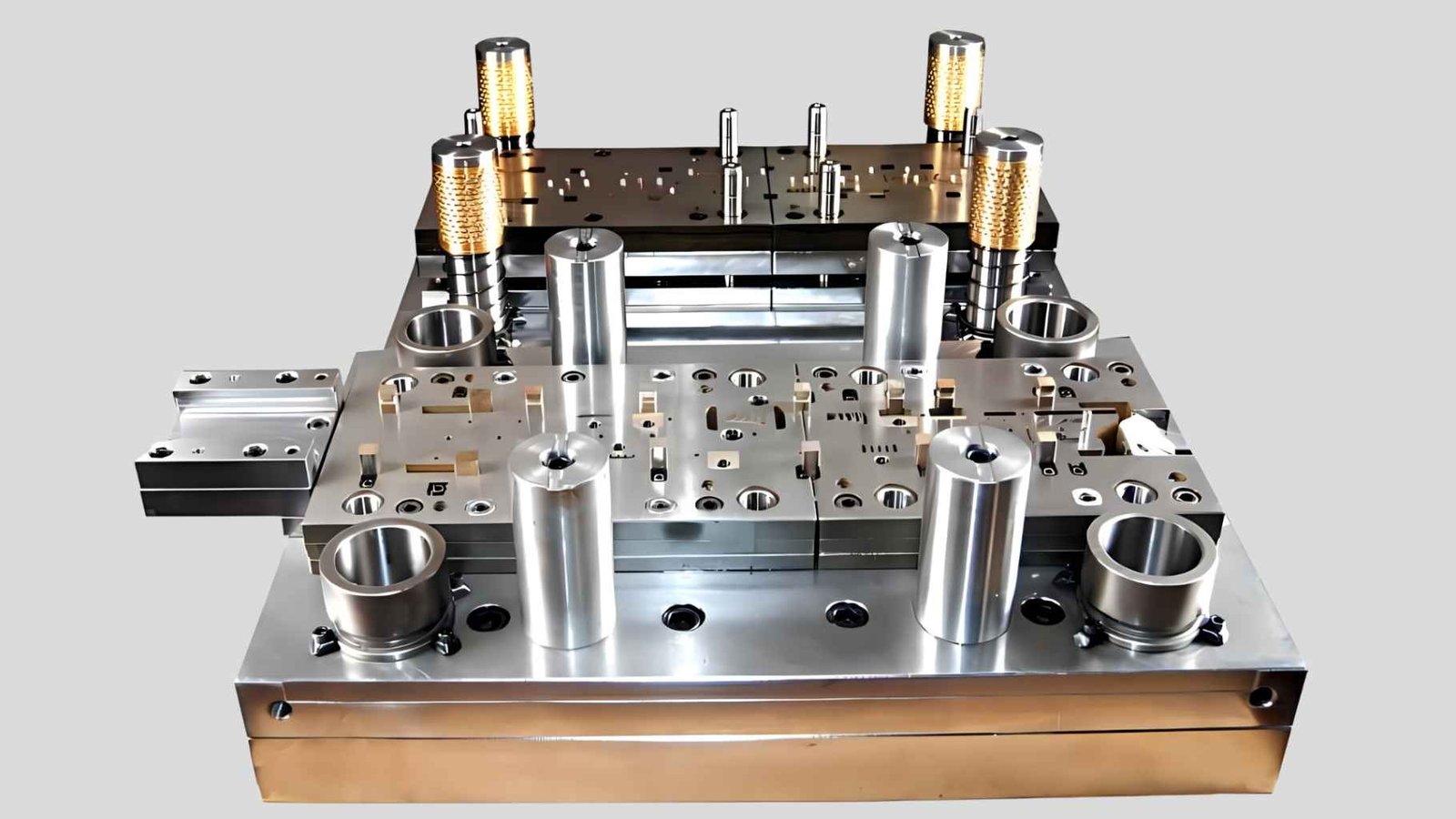
Progressive die stamping is a process that does multiple forming, piercing and cutting operations in a single continuous production line. It can be run at 60-120 strokes per minute and maintain close tolerances throughout production runs. This is an aluminum metal stamping method that is suitable for large-volume aluminum parts that need to be produced in a stable size.
Transfer and Four-Slide Stamping
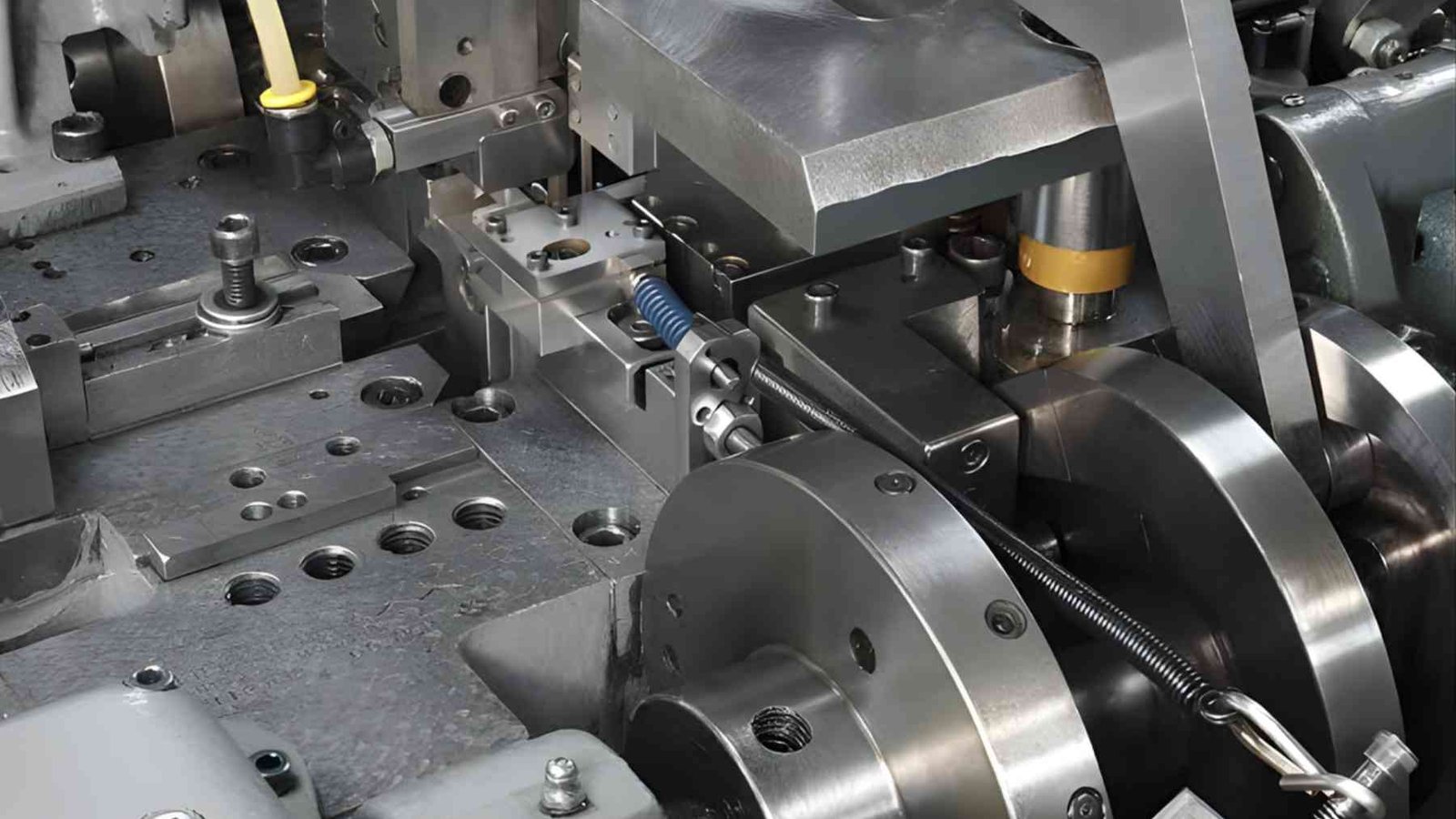
For large deep-drawn parts, transfer stamping is performed by the robotic arm to transfer the aluminum workpiece between stations. Four-slide stamping is a technique that allows multiple slides to be used to make multidirectional bends and complex shapes in component designs. Both methods have been developed to increase the aluminum stamping capability when single-direction tooling cannot be used to create the geometry efficiently.
The Aluminum Metal Stamping Process – Step by step
Step 1: Design and Tooling
The initial step in the aluminum metal stamping process is designing the die using CAD/CAM technology to ensure precision and efficiency in the manufacturing process. DFM takes into account the springback and flexibility of aluminum when it is bent. Die geometry is designed to offset dimensional recovery to ensure part dimensions are consistent.
Step 2: Material Preparation and Blanking
Each manufacturer chooses the aluminum alloy, temper and sheet gauge for the specific application. Aluminum metal stamping blanks are cut using coils or sheets. Efficient nesting maintains desired dimensions, grain direction, and minimises material waste.
Step 3: Piercing and Punching
Piercing and punching are the processes used to form holes, slots and cutouts in order to assemble or create functional holes. The clearance between the punch and die promotes clean separation and minimises burring. Typical clearance is about 6-10% of the thickness of the material.
Step 4: Bending and Forming
Bending is the process of conforming aluminum blanks into channels, brackets, panels and other shapes. Springback occurs in aluminum when it tries to rebound after the pressure is removed during the forming process. Typically, bend radii are between 1 and 2 times the material thickness and will vary with alloy and temper.
Step 5: Deep Drawing
Deep drawing is used to form flat blanks into cups, shells, housings and enclosures. A common technique for battery housings is to create deeper shaped forms. Blank-holder pressure and lubrication are controlled to minimise wrinkling, over-thinning, splitting, and tearing.
Step 6: Coining, Embossing, and Flanging
These secondary operations are performed to provide functional or decorative features after the primary forming operation. Coining enhances dimensional accuracy in selected areas, and embossing is used to form logos, markings or reinforcing features. Flanging is the operation of forming edges for sealing surfaces, assembly interfaces and structural reinforcement.
Step 7: Finishing: Deburring, Cleaning, and Surface Treatment
Finishing is the process of cleaning up burrs, residues and contaminants prior to protective treatments. Anodising makes a non-conductive surface, but it does offer corrosion protection. Powder coating provides protection, and chromate conversion coating is used when maintaining the conductivity of aluminum is required.
Design considerations for aluminum sheet metal stamping
Feature size and spacing: Sizes and spacing of holes should be as close to 1.2× the thickness of the material as possible. Slots should be about 1.5× the thickness. Allow sufficient hole-to-bend distance to prevent deformation.
Optimisation of bending radius: select the inner radius based on alloy and thickness. Harder alloys are not as bendable as softer alloys. Avoiding cracking during forming is achieved by proper radii.
Thickness of material: The thickness of aluminum stamping sheet is usually 0.2 mm- 6 mm. Choose thickness to suit strength and formability. Match the design to the available press capacity, as well.
Springback management: Design for elastic recovery. It may be necessary to overbend to obtain the desired end angle. Stress-relief treatments can also enhance dimensional stability.
Limits of embossing and coining: Maintain forming depths appropriate to thin sheets of aluminum. Too deep may result in distortion or oil-canning. Carefully place formed features to ensure stability and avoid unequal stresses.
Aluminum metal stamping – Common defects and engineering solutions
Springback
Springback is the tendency for aluminum to return to its original shape after the forming process. This is a common stamping defect that results from elastic recovery. You can make up for this by slightly overbending the material when forming. Die geometry can also be changed to enhance dimensional accuracy and minimise unwanted dimensional changes.
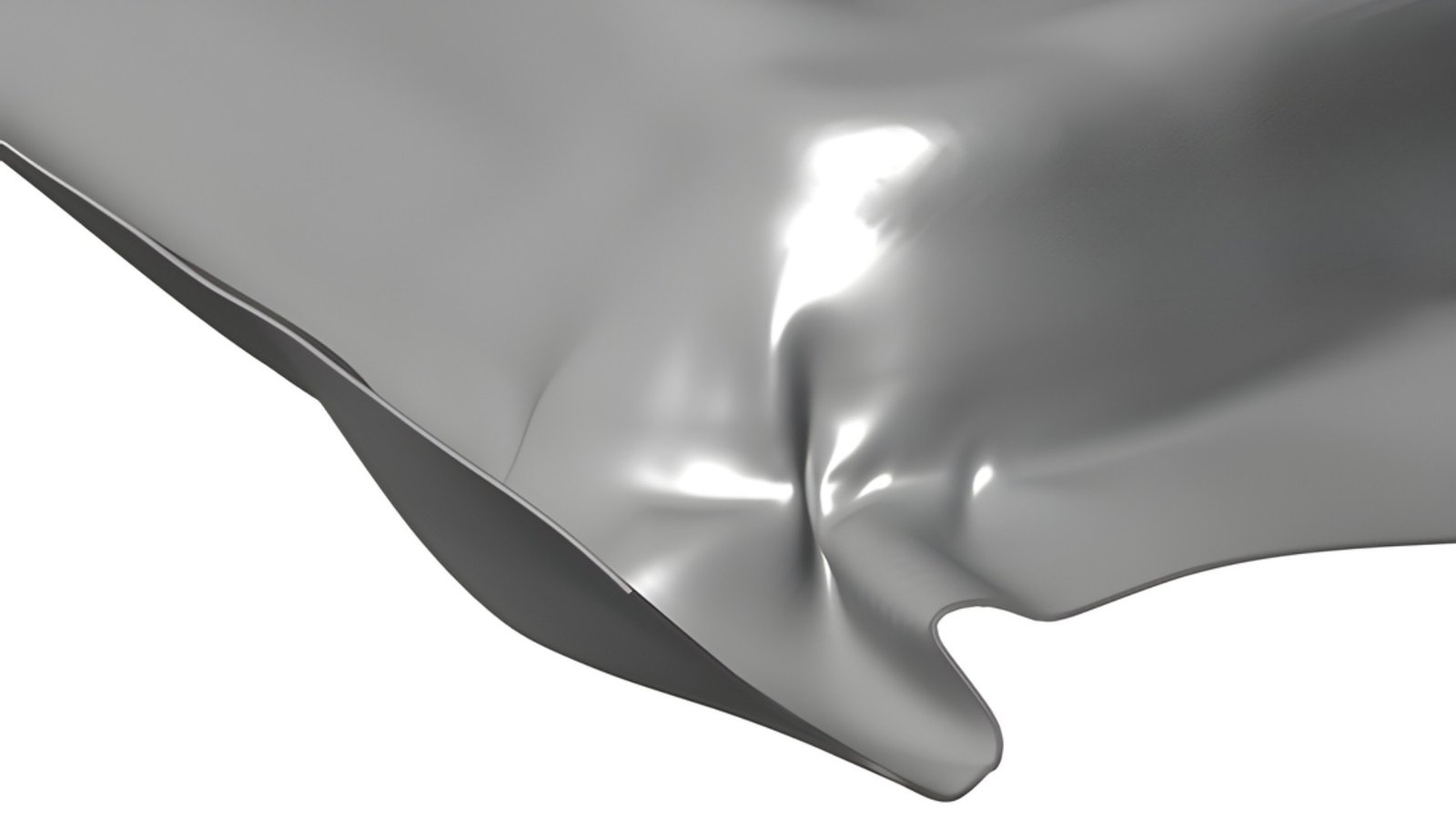
Wrinkling
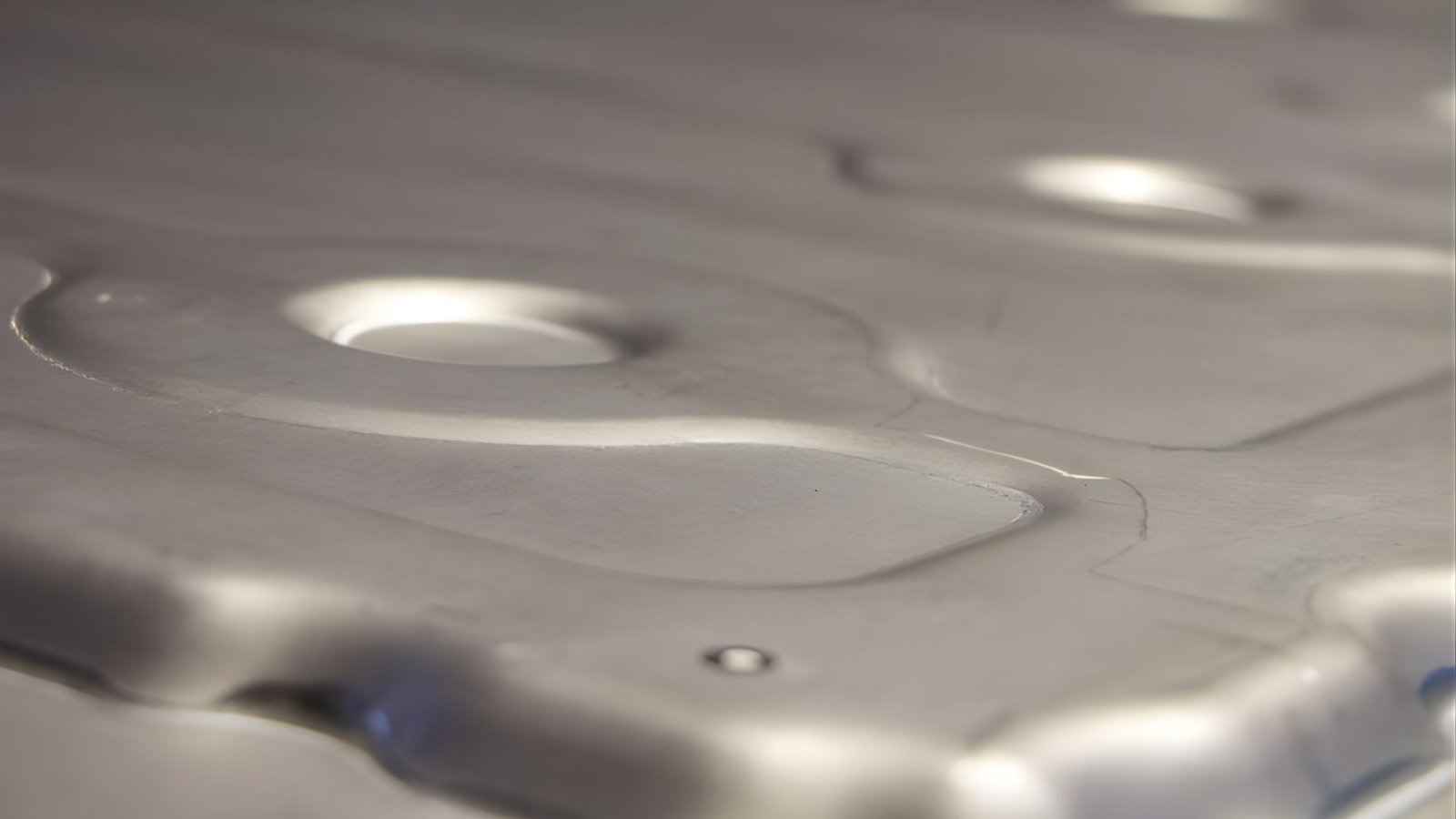
Wrinkling is a problem that occurs when sheet metal forms undesirable folds during the forming process. This defect is frequently produced due to the fact that the blank-holder pressure is not uniform. Balancing pressure over the blank will help with control. Servo-controlled pressure systems ensure more accurate force control in complex forming operations.
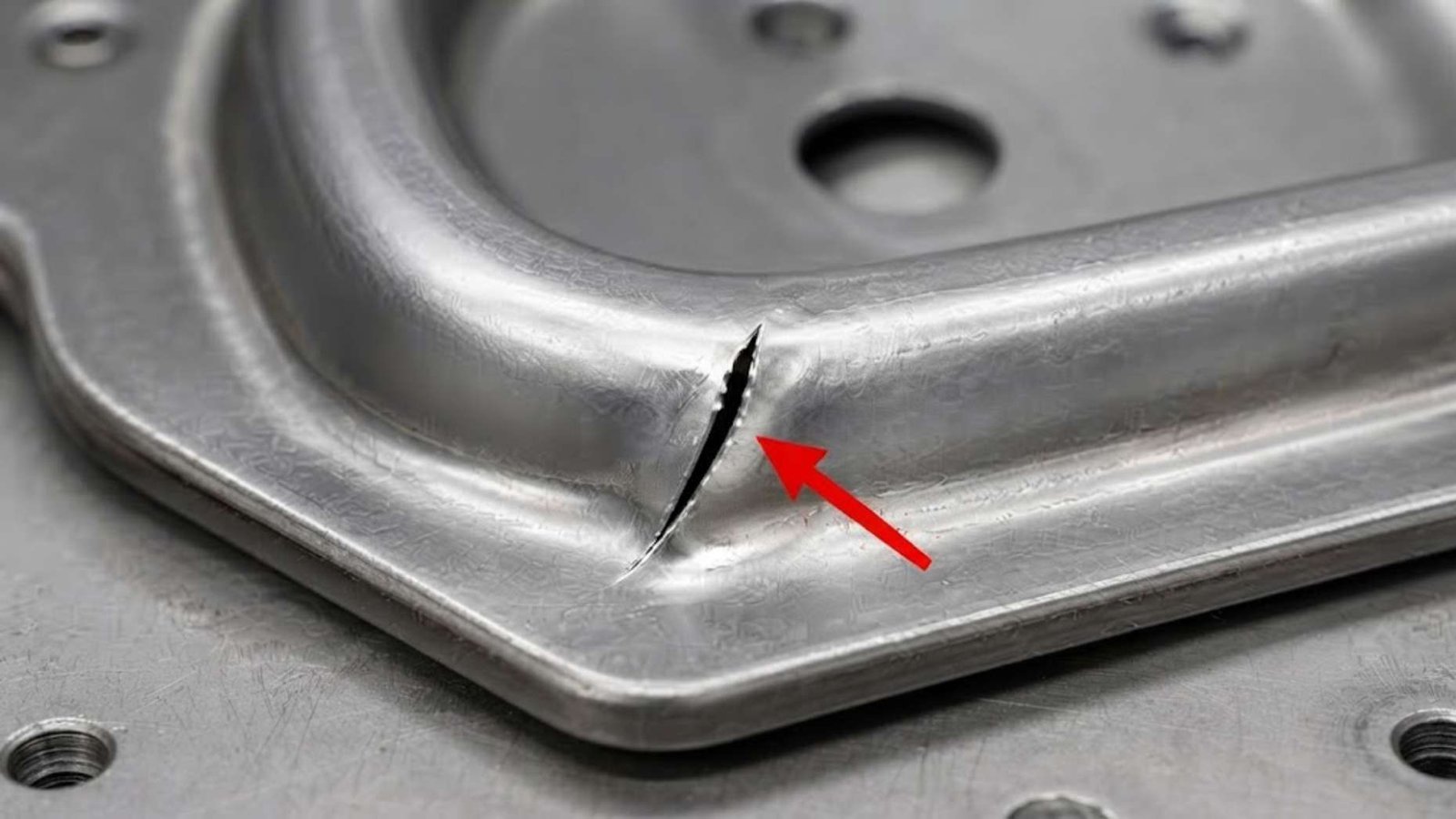
Cracking
Cracking occurs when the aluminum is expanded beyond its forming limits. Localized stress and material failure can be caused by tight bend radii. Where possible, use larger bend radii. Choosing the right aluminum alloy and temper also enhances the formability of stamping.
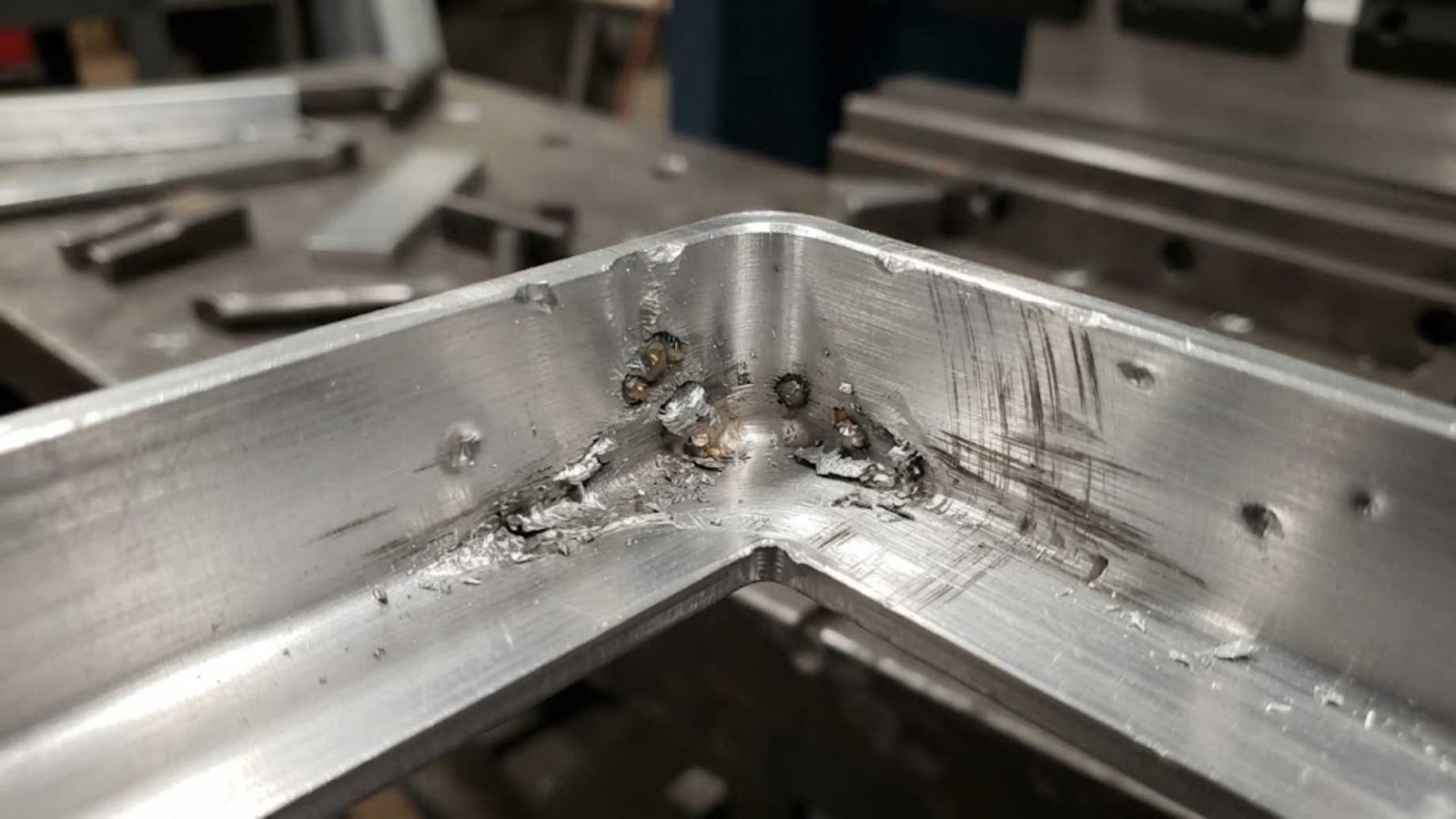
Galling and Surface Marks
Galling is the formation of scratches, deposits or marks on stamped surfaces. These are usually caused by excessive friction and contaminated dies. Use appropriate lubrication to minimise friction in forming. Cleaning and maintenance of the dies is also done regularly to maintain the surface quality and uniformity of the product.
Defect | Root cause | Solution |
Wrinkling | Uneven compressive stress | Optimize blank-holder pressure |
Cracking | Excessive stretch or small radii | Increase fillet radii, preheat material |
Galling | metal sticking to die | Use dry-film lubricants or PVD coatings |
Springback | Elastic recovery after bending | Overbend or modify die geometry |
Surface marks | Dirty dies or excessive pressure | Regular cleaning, precise lubrication |
Applications of stamped aluminum sheet metal parts
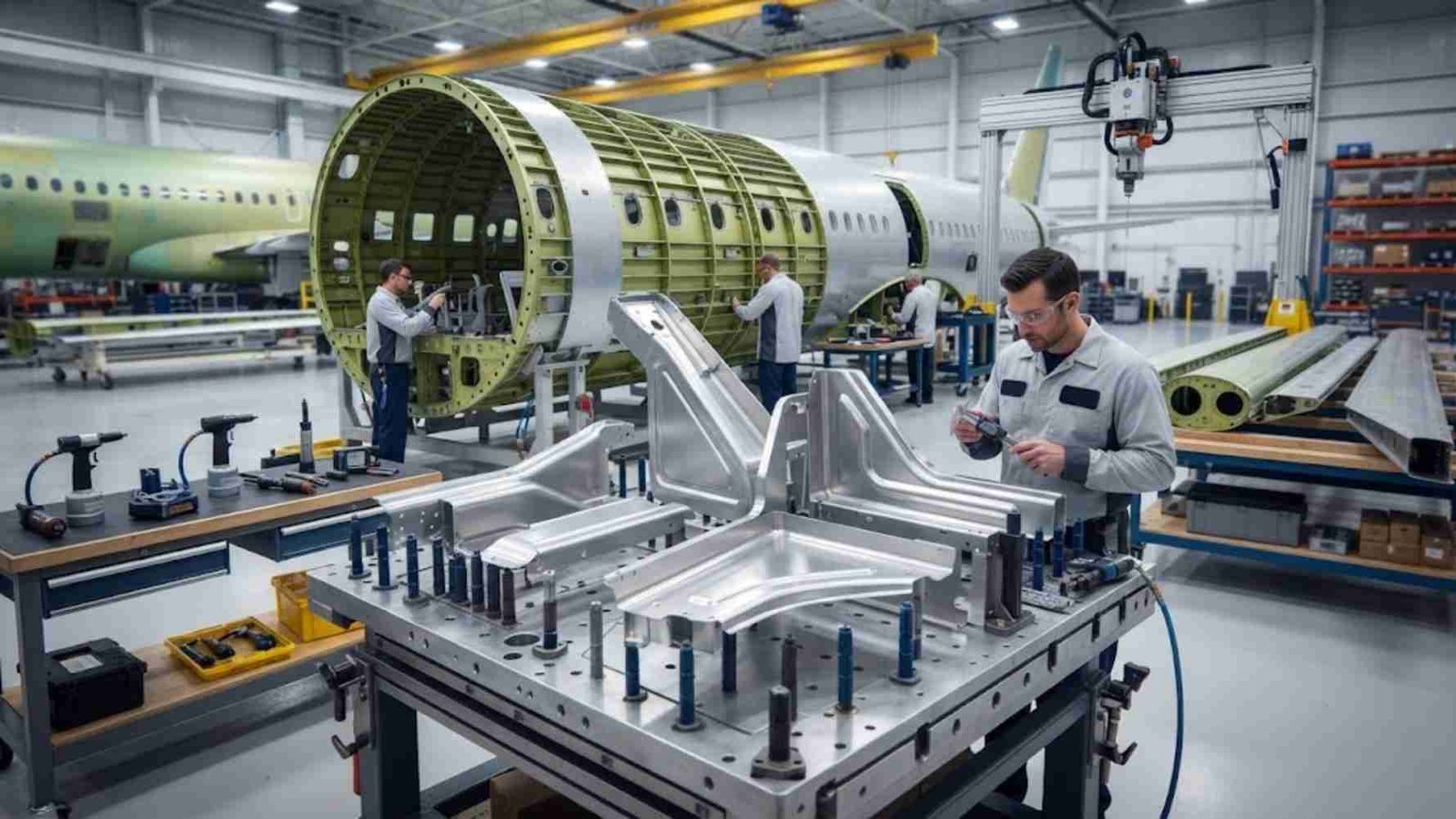
Aerospace: Stamped aluminum parts are used to make brackets and structural supports by manufacturers. Aluminum lightens the weight of the aircraft without sacrificing beneficial strength. These are subjected to stringent aerospace quality and performance criteria.
Automotive and EVs: Stamped aluminum sheet metal parts are ideal for body panels, battery enclosures, and chassis parts. They are also used in heat shields and mounting brackets. Reduced weight leads to better gas mileage and range.
Medical devices & electronics: Aluminum stampings are used by electronics manufacturers for heat sinks, enclosures and signal shields. Medical uses include sterilised trays and instrument covers, and precision diagnostic parts. These components enable the design of small, effective and hygienic systems.

Construction and architecture: Stamped aluminum parts are used in window frames and trims, facade panels and cladding systems. They are corrosion-resistant, which helps them to be used outdoors. They can also offer long-lasting solutions for architectural features exposed to weather conditions.
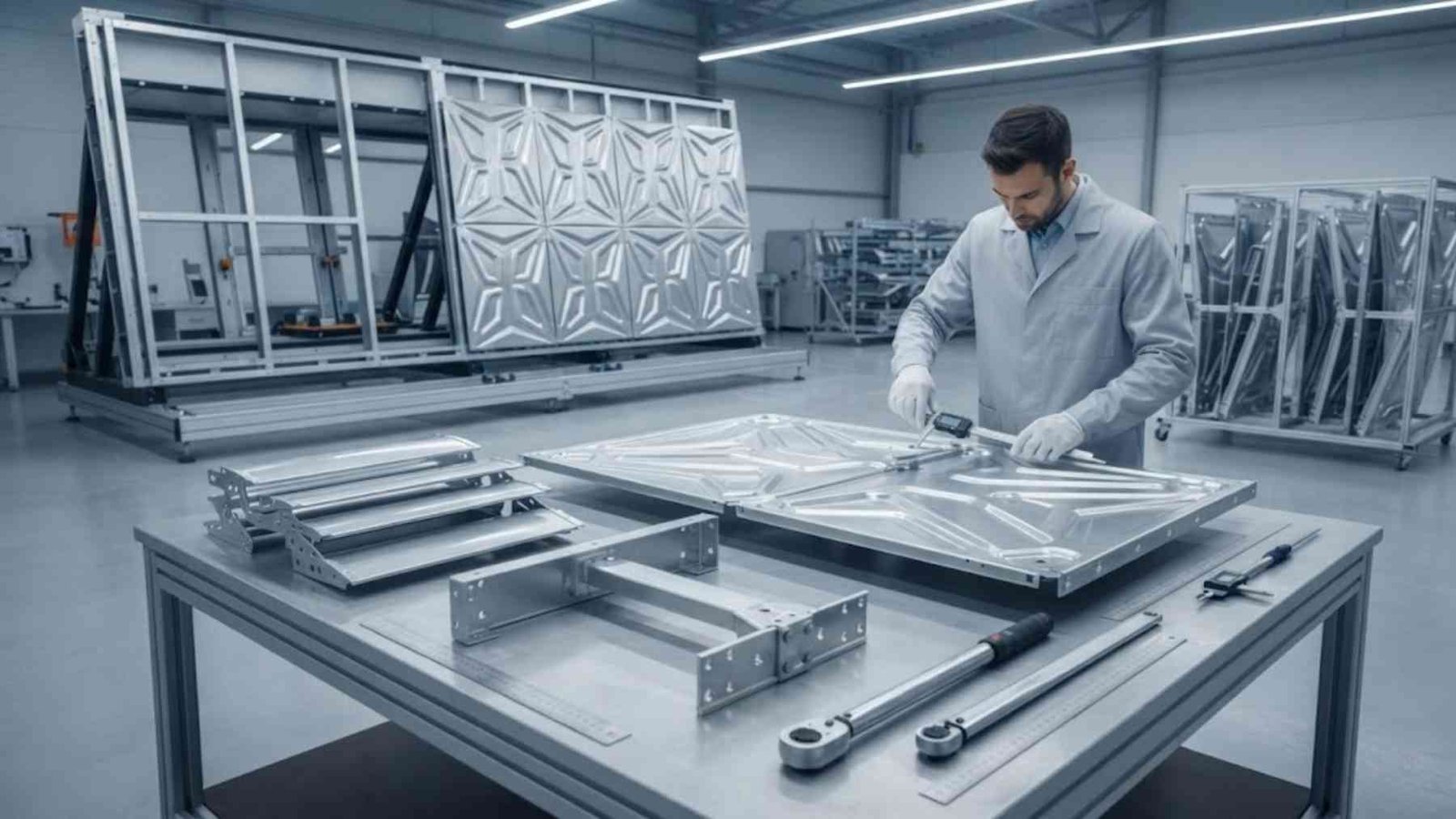
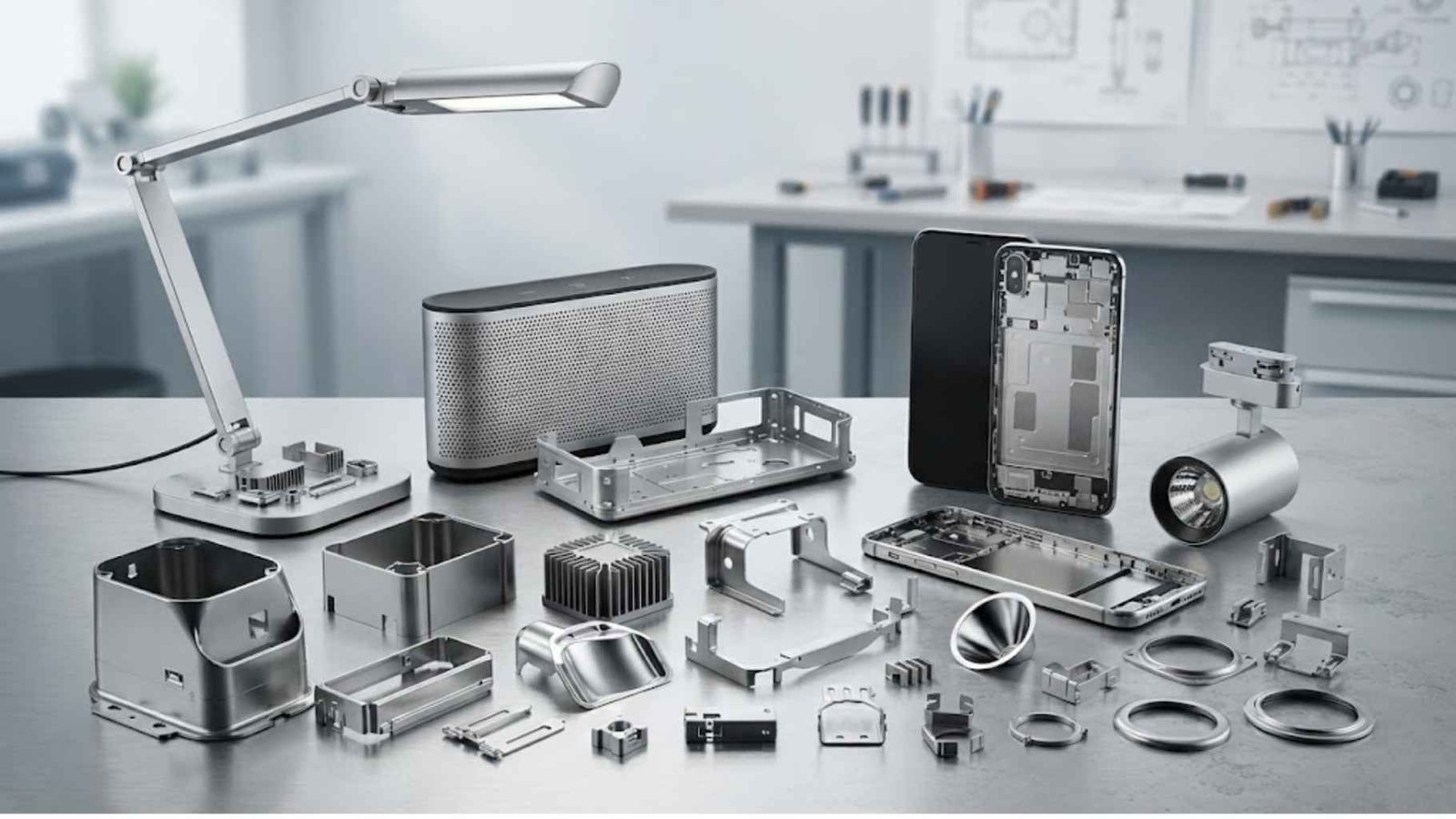
Lighting and consumer products: Aluminum stampings are suitable for reflectors, casings and appliance parts. Aluminum is a good conductor of heat, which aids in heat dissipation. This makes the stamped parts useful in lighting products and domestic appliances.
Design guidelines for optimal manufacturability
Optimize geometry
For softer alloys, use a bend radius of 1- 1.5 times the thickness. For harder alloys, about 2× thickness might be required. Maintain a hole that is at least twice the thickness away from bends. Use rounded corners to minimise stress and die wear. Leave 1–2° overbend to allow for springback.
Plan tolerances and clearances
Establish reasonable tolerances around tooling limits and material characteristics. Consider springback in the design stage. Work closely with the manufacturing teams prior to dimensions being finalised. This will help minimise adjustments and production problems.
Select suitable thickness
Select thickness of materials according to strength, weight and formability. The thicker the sheet, the more tonnage that needs to be applied to the press. They may also influence tolerances that can be achieved and forming performance. Consider all of these factors before finalising the design.
Masion: Vertically integrated excellence in aluminum metal stamping
Need high-quality and efficient aluminum sheet metal stamping service that supplies reliable products? The vertically integrated manufacturing expertise of Masion comes from Ningbo, China. It was established in 2007, has a factory of 30,000 m², and currently employs more than 400 employees to produce 7 million sheet metal parts per year. Laser cutting, CNC punching, stamping, bending, welding, riveting and tube processing are all available in the same location. Masion also offers DFM, prototyping, inspection, assembly and finishing services for custom projects. This helps aluminum alloy stamping in automotive, medical, robotics, energy, construction and industrial automation.

Conclusion
Aluminum metal stamping is a process that combines precision, efficiency and versatility for demanding industrial applications. Whether it’s picking the right alloy, the right tooling, the right forming process or the right finishing or quality control process, every step impacts the performance of the piece. By knowing about stamping operations, design requirements and common defects, engineers can design a part that is manufacturable and consistent. With the appropriate tooling, process control, and material selection, stamped aluminum pieces can be used in the automotive, aerospace, electronics, construction, and other sectors. Additionally, Masion’s in-house manufacturing ensures a seamless process from design to finished product for custom aluminum stamping.
Frequently Asked Questions
How does custom aluminum sheet metal stamping meet unique part requirements?
Special dies, alloys, clearances and multi-step forming are used to meet unique stamping needs in custom stamping. Blanking, piercing, bending and coining are combined in a single progressive or transfer die by the manufacturer. Masion also offers DFM support, prototyping, inspecting, finishing and assembly of custom aluminum pieces.
How does temper affect aluminum alloy stamping performance?
Temper influences the strength, hardness, ductility, formability and springback of aluminum during stamping. O temper is used for deep drawing, and H temper is used for higher strength but lower formability. T6 is high strength but has a higher risk of cracking, while T4 or W has greater forming flexibility prior to subsequent ageing.
How does aluminum alloy stamping differ from steel stamping processes?
Aluminum will typically need between 40-60% less forming force than steel, but will need tighter process control. Galling demands polished dies and special lubrication, and its lower elasticity results in higher springback. Masion is using integrated stamping and finishing of aluminum components for automotive, robotics, energy and industrial applications.
What factors affect aluminum metal stamping project costs?
The cost of stamping is significantly affected by material grade, thickness, tooling complexity, volume and part geometry. The more complex the die, the more investment is required up front, and the more volume, the more the tooling costs can be spread over the number of parts. Masion integrates stamping, laser cutting, CNC punching, bending, and finishing processes, which helps to streamline multiple manufacturing stages.