Sheet Metal Manufacturing: A Complete Guide to Modern Production
Seeking to know how sheet metal manufacturing is integral to today’s products? Every cut, form, join, and finish impacts the end product – its quality and performance. However, how does the manufacturer process the raw metal into finished parts? Production methods, materials, forming techniques, industry applications, and manufacturing challenges are covered in this guide. You’ll also discover the difference between fabrication and manufacturing, and how to select the correct production partner.
What Is Sheet Metal Manufacturing?
Sheet metal manufacturing is the process of cutting, bending, and forming metal sheets to create parts, usually less than 6 mm (0.25 inches) thick. Gauge measurements are used by manufacturers to indicate thickness, and the lower the gauge number, the thicker the sheet of metal. This guide covers the manufacturing process, materials, and vital techniques from raw material processing to mass-produced components.
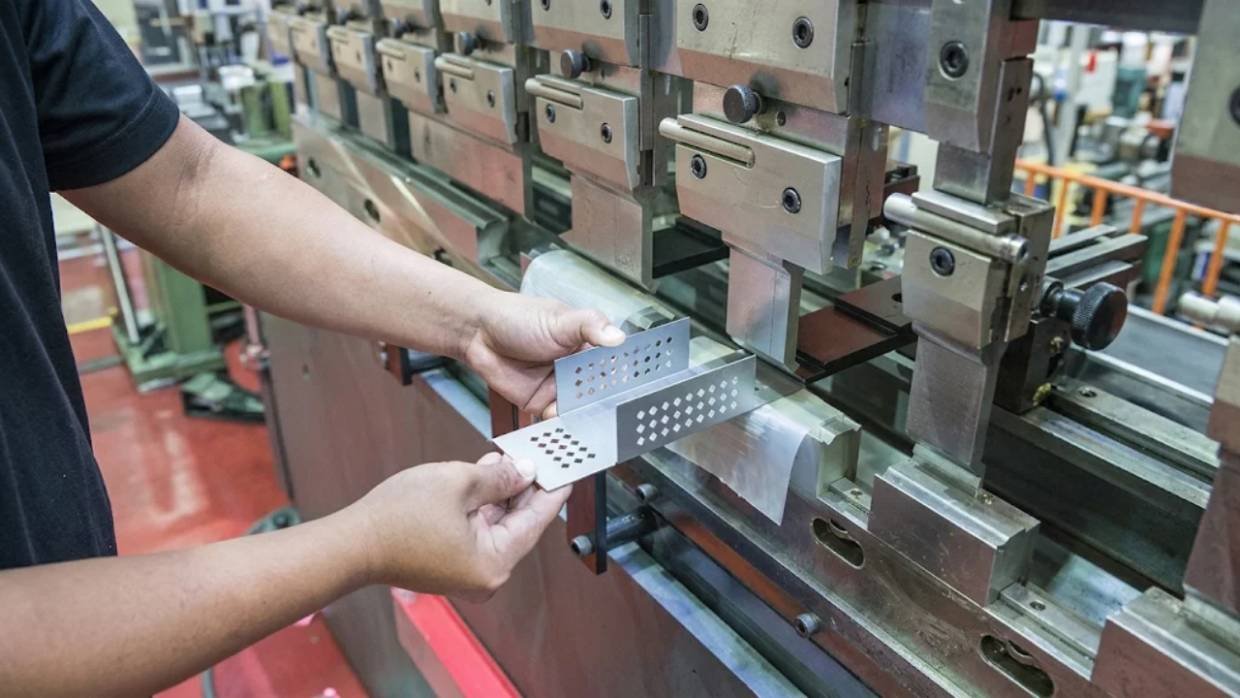
How Is Sheet Metal Manufactured? (Step-by-Step Overview)
Each process, from the raw material to the application of protective coatings, influences the quality, strength, and usability of the sheet. The steps below show how manufacturers create sheet metal and get it ready for various uses.
Step 1: Raw Material Preparation
The first stage of manufacturing is to extract a metal from ore or from metal scrap. The manufacturers convert the material and add alloying elements to obtain the desired chemical composition. This preparation is important in developing properties like strength, ductility, and corrosion resistance.

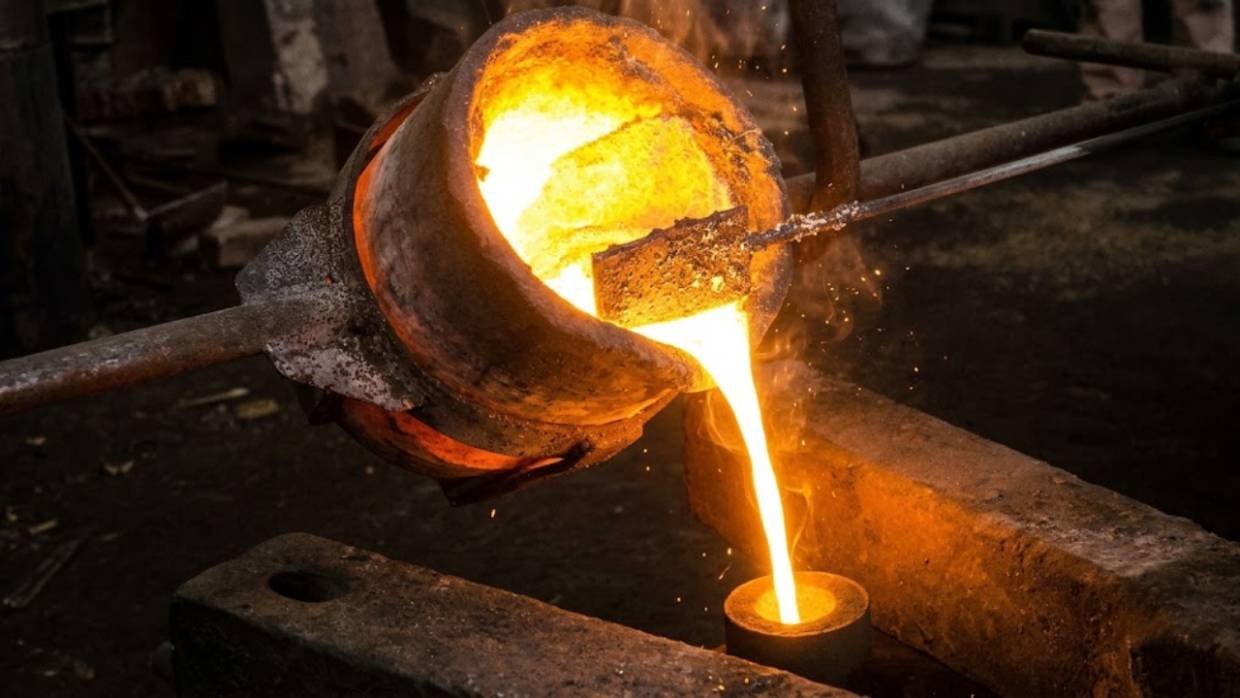
Step 2: Casting
The molten metal is prepared and then put through a casting process to create solid shapes. Continuous casting is mostly used to cast slabs for sheet production, but other processes can cast ingots. These are semi-finished forms, which supply the material for later rolling steps.
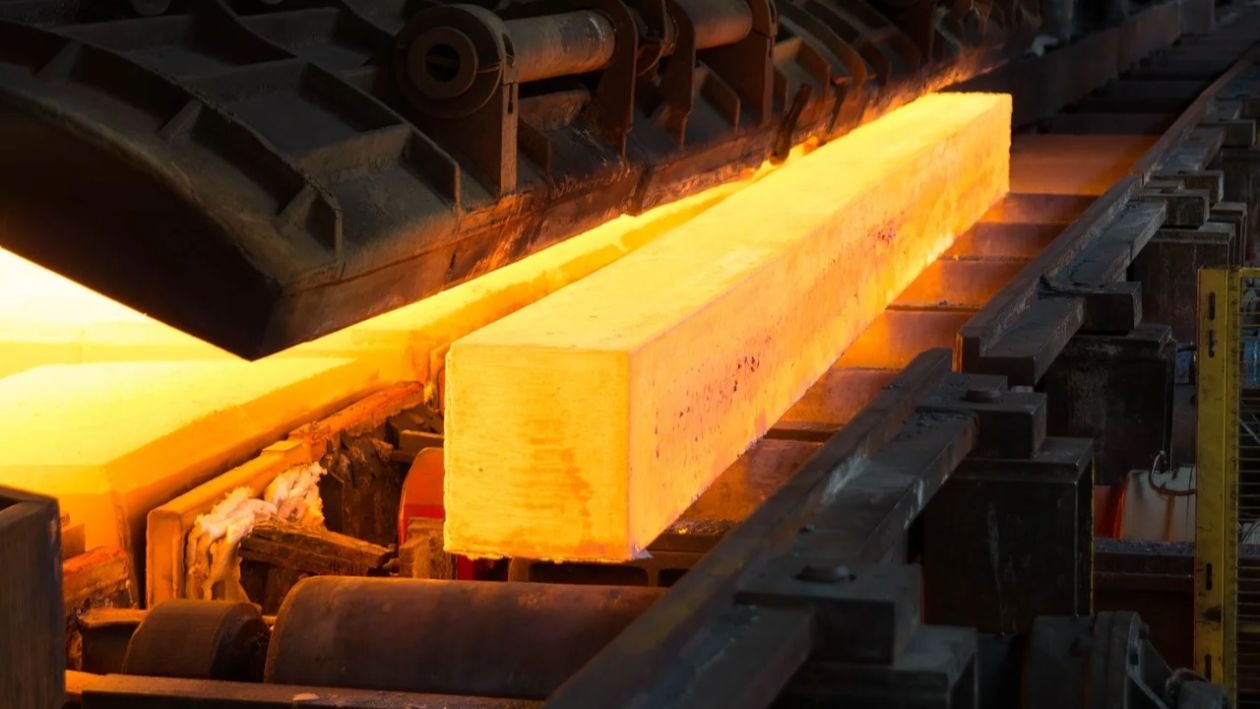
Step 3: Hot Rolling
Metal slabs are reheated and run through the rollers at high temperatures to be manufactured. This thins them out and makes them more even. However, when hot-rolled, surface scale is produced by the process of oxidation, and therefore hot-rolled sheets typically have rougher finishes.

Step 4: Cold Rolling
Cold rolling further reduces thickness at or near room temperature. This process enhances the material’s strength by work hardening, dimensional accuracy, and surface smoothness. When applications need to be to a tighter tolerance and have consistent sheet thickness, it is used by manufacturers.

Step 5: Annealing and Heat Treatment
Cold rolling can harden metal, making it more brittle and less ductile. Annealing is the process of heating the material under controlled conditions to regain ductility and relieve stresses within the material. Other heat treatments can produce specific mechanical properties.
Step 6: Surface Treatment and Coating
Surface treatments enhance appearance, durability, and resistance to environmental damage. Galvanizing, painting, or powder coating can be used for various metals, while anodizing is used for aluminum. Based on the material and application, the appropriate treatment can be decided.

Step 7: Cutting, Slitting, and Coiling
Finally, manufacturers reduce rolled material to the customer’s desired sizes. Slitting is the process of breaking wide coils into narrower strips, and cutting is used to make flat sheets of desired lengths. Manufacturers provide the finished material in coils or sheets as per the specifications.

Materials Used in Sheet Metal Manufacturing
- Carbon steel: Iron + 0.05-1% carbon Strong, weldable; rusts without coating Very low cost, good formability Frames, enclosures, brackets
- Galvanized steel + zinc coating: Strong, sacrificial corrosion protection. Low cost; coating damaged by welding. HVAC ducting, roofing, outdoor enclosures
- Stainless steel: Iron + ≥10.5% chromium (+ nickel, molybdenum). Corrosion- and heat-resistant, hygienic. Moderate-high cost; work-hardens, harder to form. Kitchen, medical, food processing, marine
- Aluminum Al + Mg, Mn, Si: Lightweight, corrosion-resistant, conductive Moderate cost, very formable; harder to weld Aerospace, electronics housings, heat sinks
- Copper: ~99.9% Cu Top conductivity, antimicrobial, ductile High cost, easy to form; soft Busbars, heat exchangers, roofing
- Brass: Copper + 5-40% zinc. Corrosion-resistant, gold finish. Moderate-high cost, excellent machinability. Decorative trim, plumbing, connectors
- Titanium Ti + Al, V: Exceptional strength-to-weight, biocompatible. Very high cost, hard to form and weld. Aerospace, implants, chemical processing
- Nickel alloys: Ni + Cr, Fe, Cu, Mo. Withstand extreme heat and corrosion. Highest cost, hard to machine Jet engines, turbines, nuclear, oil and gas.

Sheet Metal Manufacturing Process: Core Operations
Sheet metal is the process of fabricating useful parts from flat sheets. Every operation helps to form, strengthen, finish, and achieve the accuracy of the part. Precision and consistency are enhanced with CAD/CAM software, CNC machines, and automation.
Cutting Operations
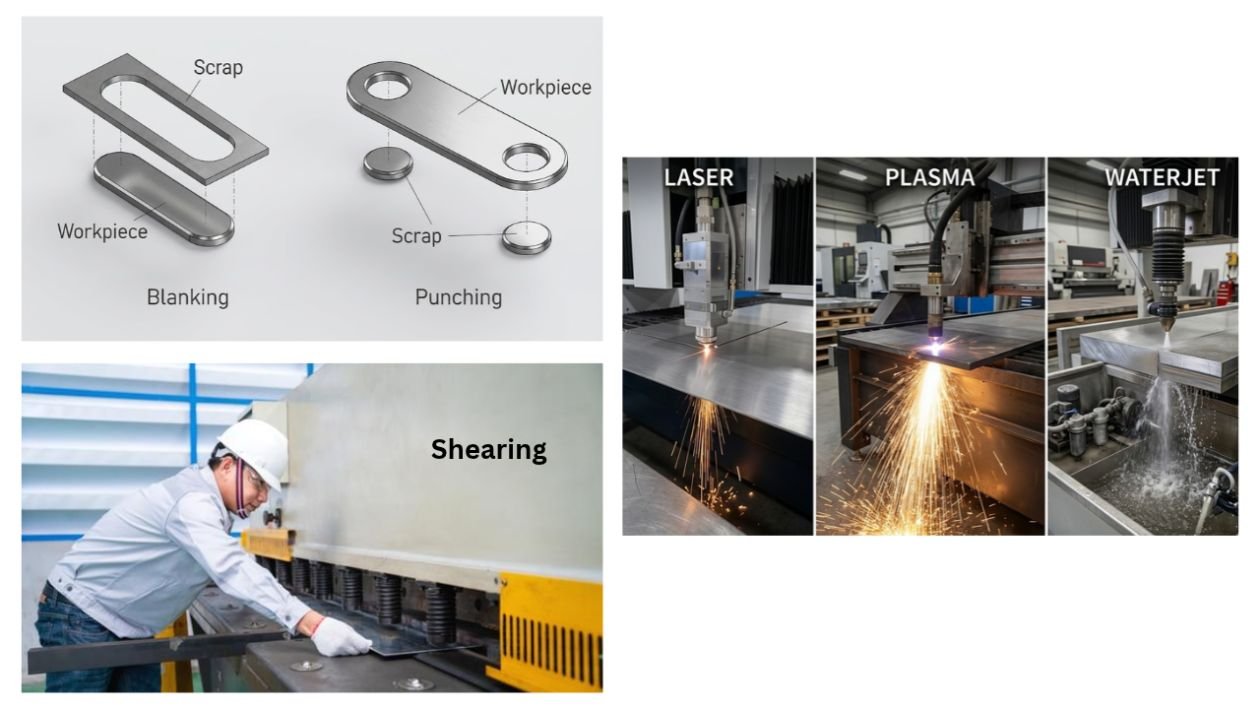
Cropping shapes and sheets to the desired size. Shearing is the process that is performed with blades, blanking is the process that removes complete shapes, and punching is the process that forms holes. Laser, plasma, and waterjet cutting are processes that rely on focused light, ionized gas, and high-pressure water.
Forming Operations
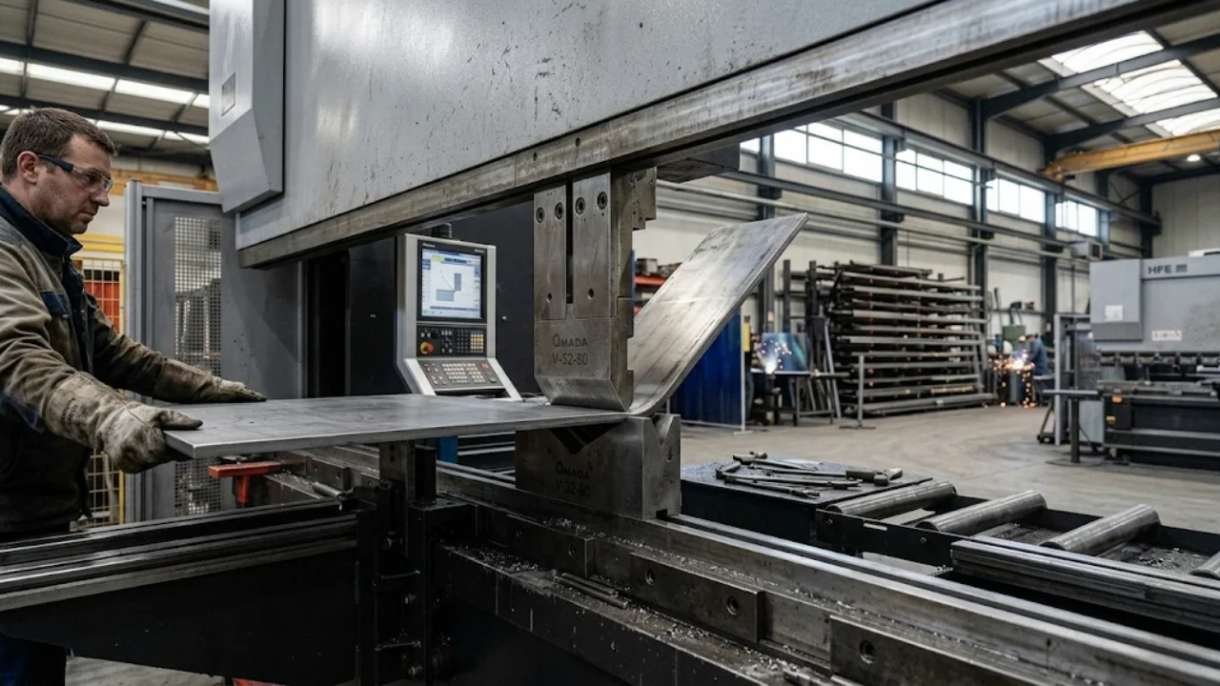
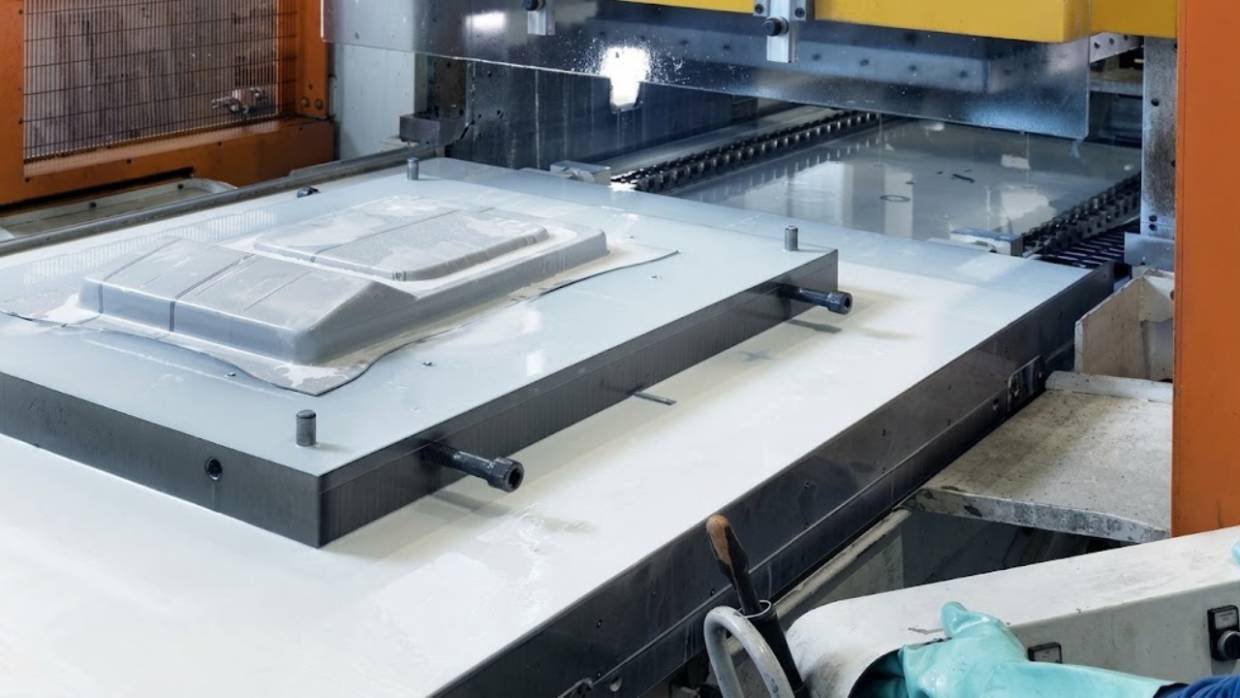
Forming is a method of shaping sheet metal without the removal of large amounts of metal. These processes are generally bending, stamping, rolling, and deep drawing. The choice of the right method is based on the geometry of the part, the material properties, and the design requirements.
Joining Operations
Joining is the process in which two or more metal parts are joined together. Welding is a method of heat fusion, and riveting and clinching are mechanical methods of joining. Other methods of joining include adhesive bonding and fastening with screws or bolts.

Finishing Operations
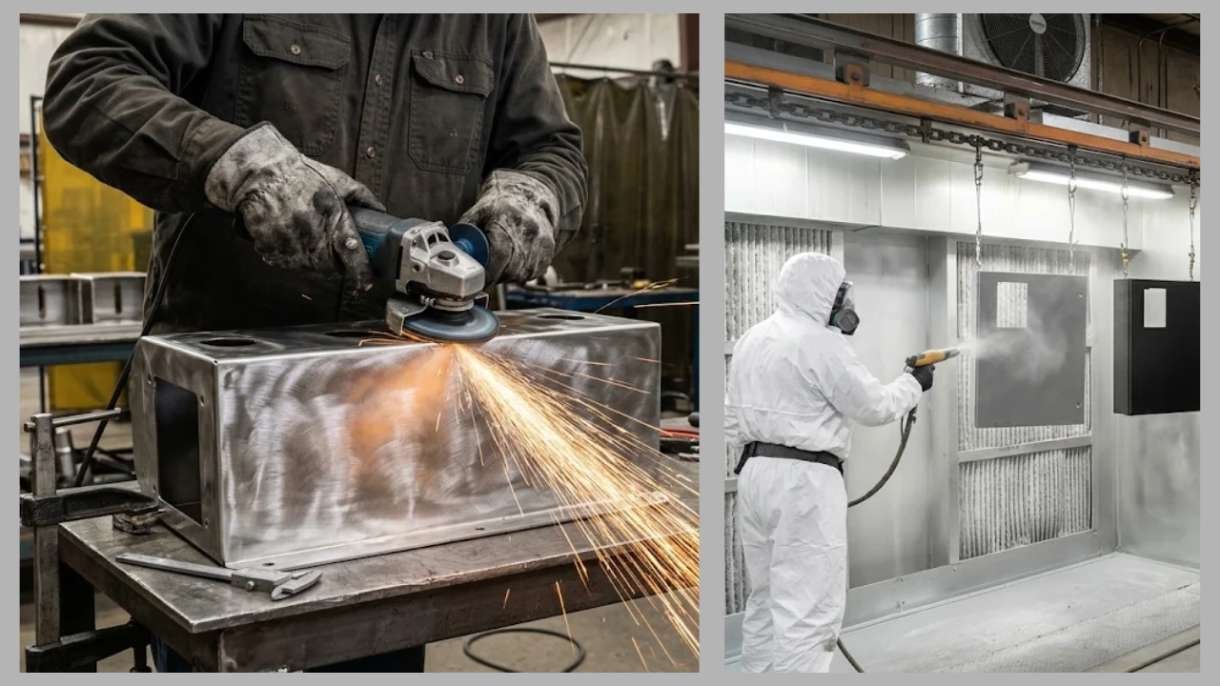
Finishing enhances surface quality, appearance, and corrosion resistance. Deburring smoothes sharp edges, and grinding and polishing smooth surfaces. Powder coating and plating provide surface protection as needed by the application.
Quality Control and Inspection
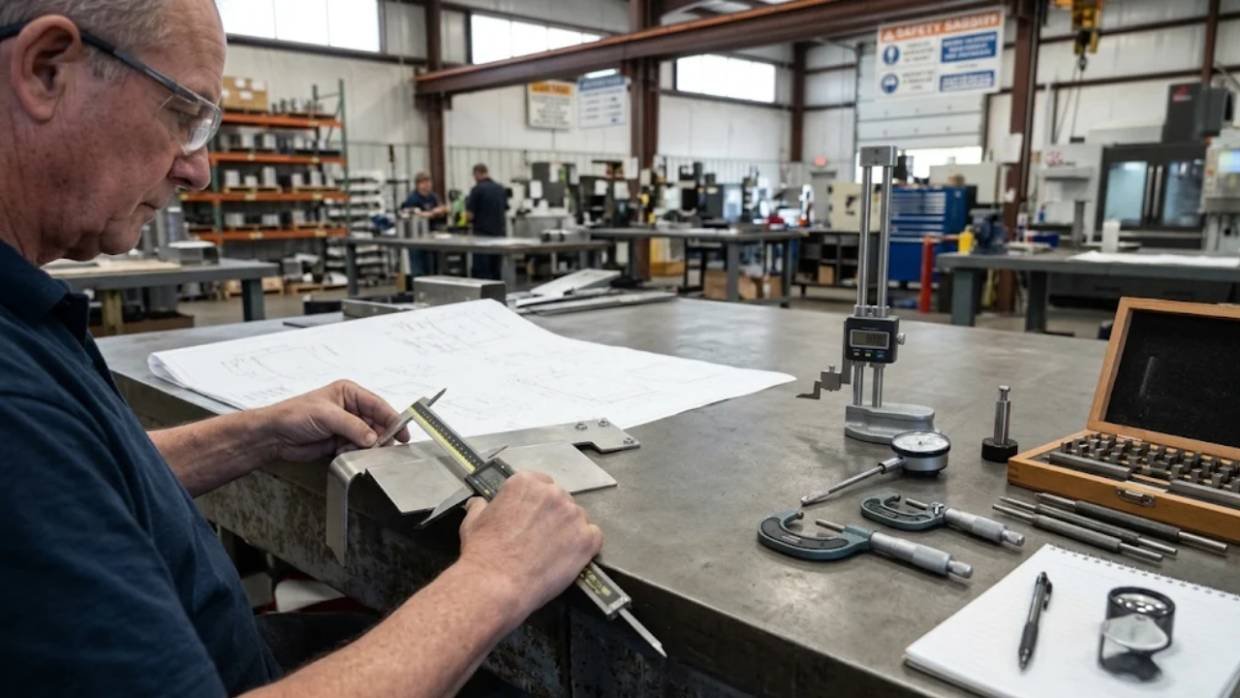
Inspection is the process of making sure that completed products conform to the design and tolerances. Gauges, calipers, and coordinate measuring machines (CMMs) are used by manufacturers to do dimensional checks. The surface is inspected for defects, and CNC equipment and automation facilitate consistent production.
Sheet Metal Forming: Techniques and Processes
Bending
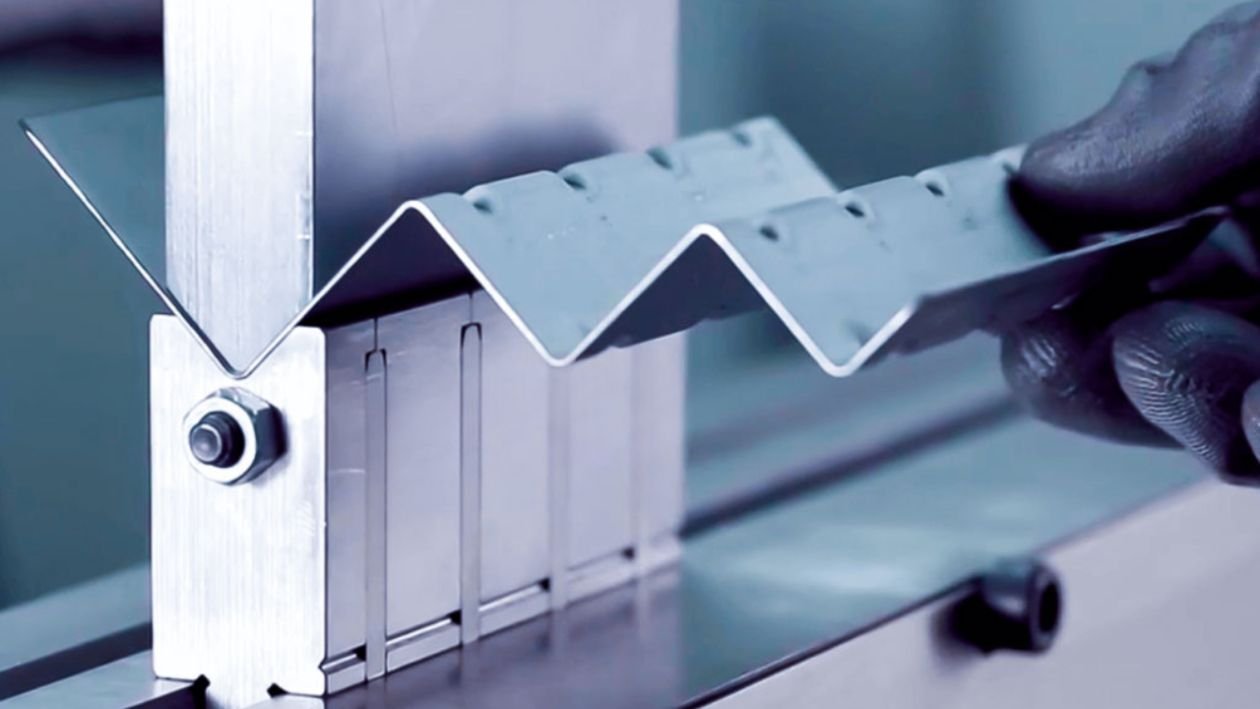
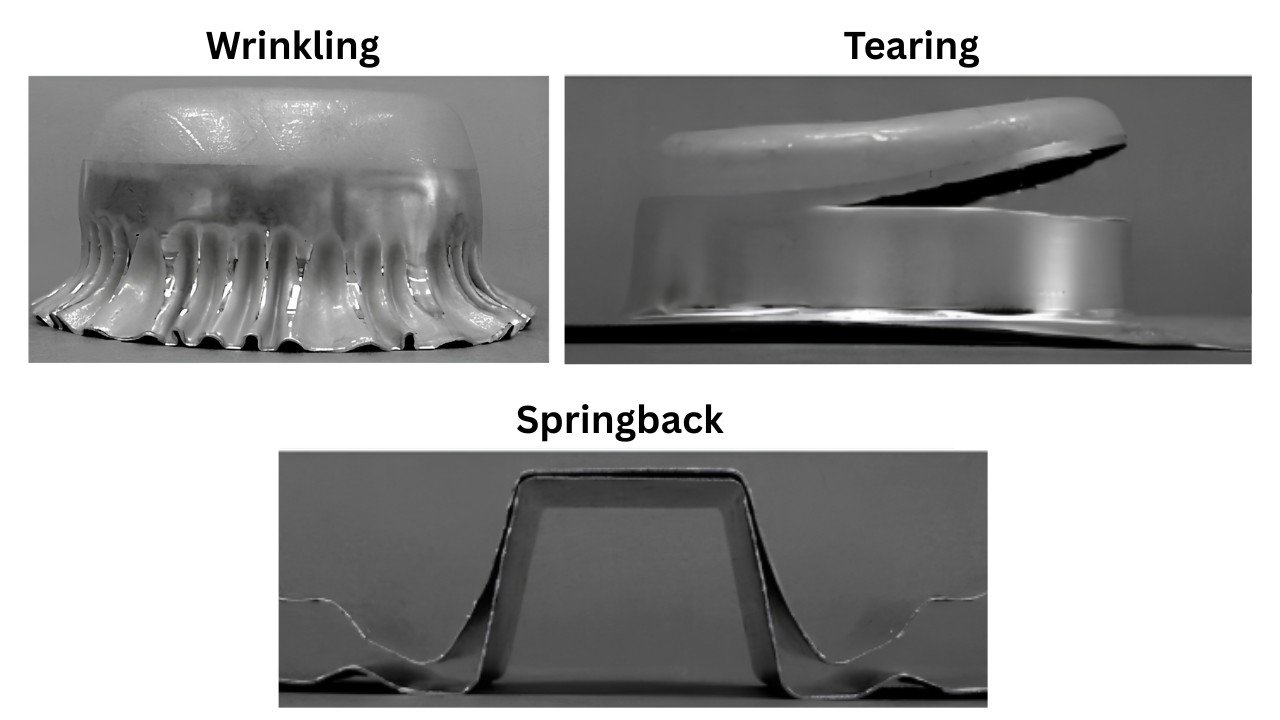
Press brakes and dies are used to bend and form angles and curves. The most common are V-bending and air bending. Springback is a phenomenon that manufacturers take into account, as it means the metal has returned to a certain extent to its original shape.
Deep Drawing
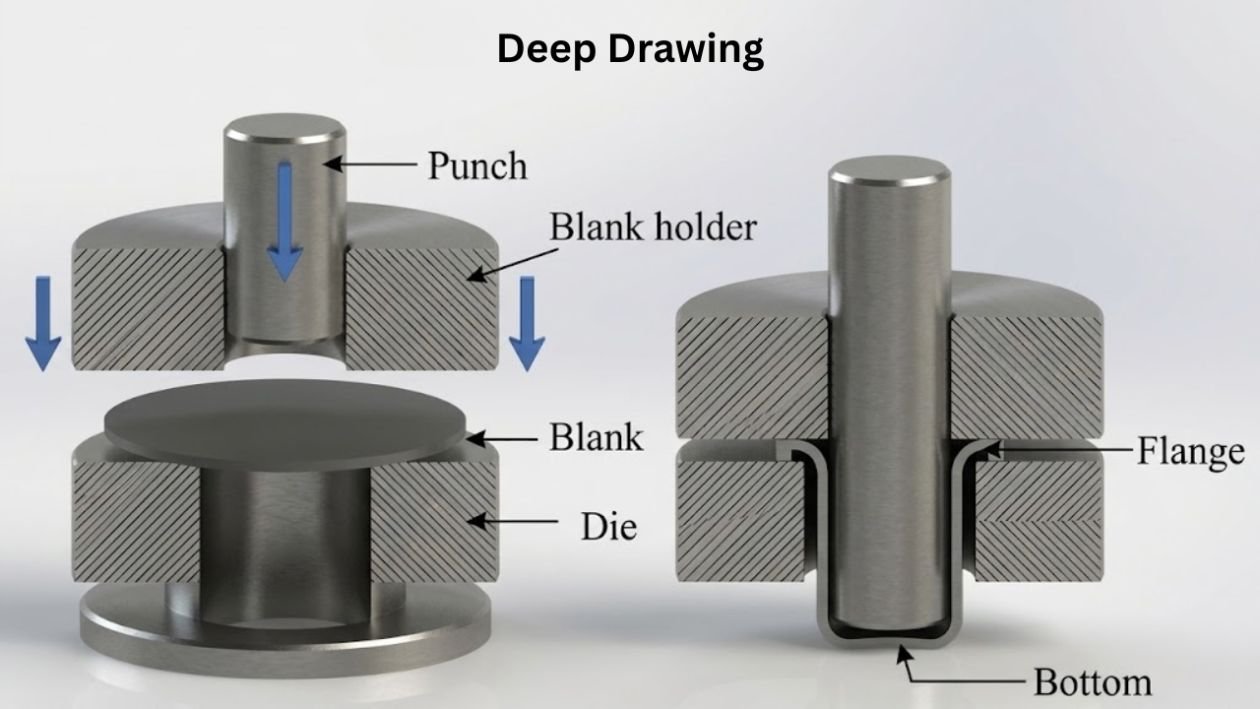
Deep drawing is used to produce hollow parts like cups, tanks, and sinks. A punch forces the blank into a die, and a blank holder regulates the flow of material. The draw ratio is used to determine the feasibility of the forming operation.
Stamping and Pressing
Stamping involves presses and dies to create a large quantity of identical parts. Progressive dies are used to accomplish several operations at stations, and transfer dies are used to move workpieces from one forming station to another.

Roll Forming
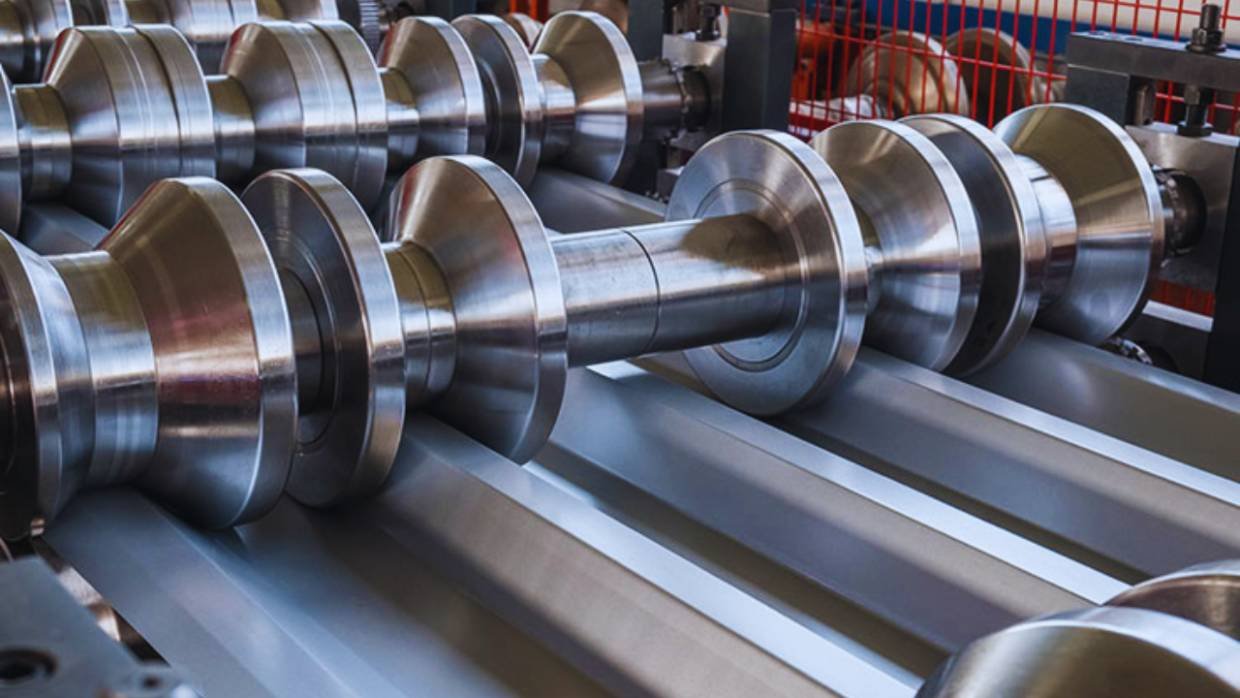
Roll forming involves a continuous strip of metal going through a series of rollers. The material is gradually formed into profiles, such as roofing panels, channels, and structural sections at each station.
Stretch Forming and Spinning
Stretch forming is a technique used to form curved panels by stretching sheet metal over a form. Spinning is a process in which a blank is spun against a mandrel to create symmetrical shapes like lampshades and cookware.

Embossing and Coining
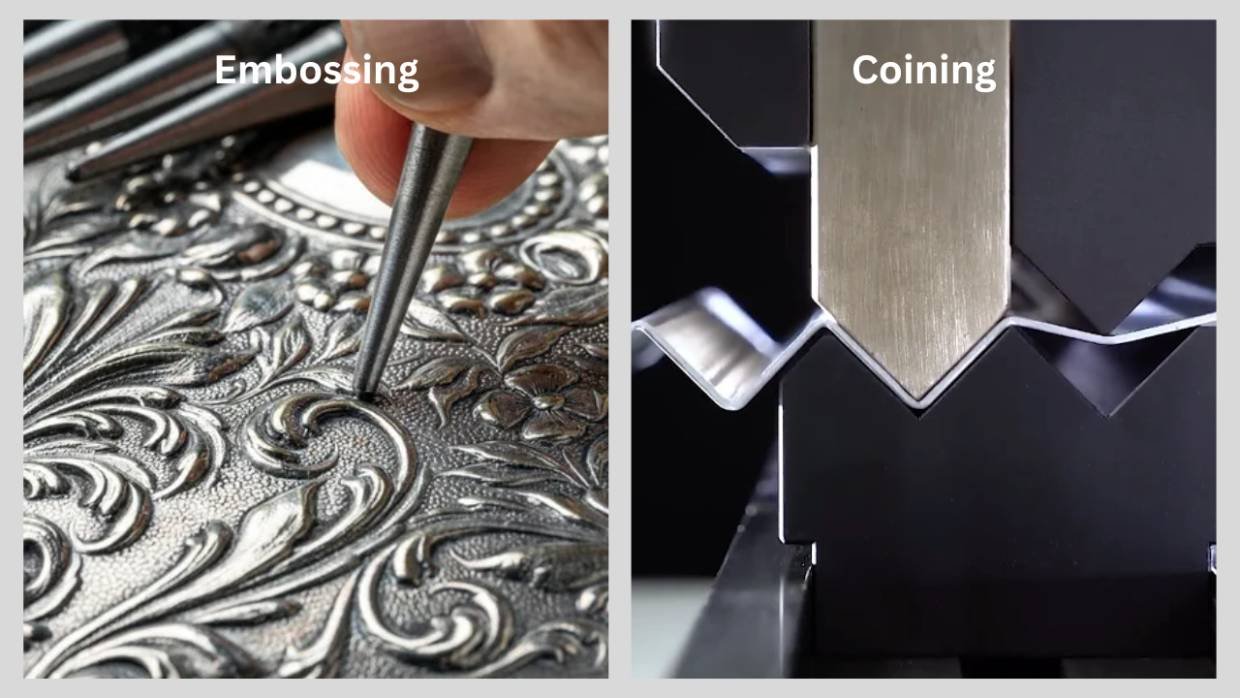
Embossing is the formation of patterns on the surface that are either raised or recessed. Coining uses high pressure to create good detail and sharp features. Both are suitable for decorative and functional designs.
Hydroforming
Hydroforming is a process that forms sheet metal using fluid pressure. It can produce complex geometry and can reduce the number of forming operations. It is used by manufacturers for specific automotive and industrial parts.
Forming Challenges and Control
Part quality and accuracy are affected by wrinkling, tearing, and springback. These issues are avoided with proper tooling and material selection, controlled pressure, and forming simulations.
The selection of the appropriate sheet metal forming process is influenced by material properties, part geometry, and production volume.
Sheet Metal Manufacturing Industry: Applications and Trends
Sheet metal production provides critical components in the automotive, Aerospace, construction, electronics, appliance, medical device, and energy markets. As part of its supply chain, it includes metal producers, service centers, stamping companies, and contract manufacturers. Today, everything is better automated, robotized, and monitored via IoT. Also, manufacturers want to use light materials, recycled metals, energy efficiency, and minimise scrap. Operations are also streamlined with digital quoting and on-demand manufacturing. Thus, the material utilization and the amount of scrap affect the production costs and profit.
Is Fabrication the Same as Manufacturing?
No, fabrication is a subset of manufacturing with a narrower scope. Manufacturing involves the full manufacturing process from raw materials to the end product. Fabrication involves cutting, bending, and joining materials to make components. Manufacturing is suitable for higher volumes and standardized processes, and fabrication is suitable for custom parts. For instance, manufacturing results in sheet metal and stamped components, and fabrication leads to custom welded assemblies. Decide on fabrication for prototypes and custom parts or manufacturing for consistent, high-volume production.
Point Fabrication Manufacturing
Scope: Cutting, bending, welding, and assembling into components. Full process from raw materials to finished products.
Scale / Volume: Prototypes, one-offs, small batches. Mass or continuous production.
Tooling: General-purpose tools, little custom tooling. Dedicated dies, molds, and automated lines.
Flexibility: High: easy design changes. Lower: changes are costly, but unit cost is lower.
Example: Turning sheet into a custom enclosure. Producing the sheet and mass-stamped parts.
Advantages and Challenges of Sheet Metal Manufacturing
Advantages
- Sheet metal offers a great strength-to-weight ratio, which means that components are strong but not heavy.
- Scalable production, from small batches to large manufacturing runs, with automated equipment.
- The majority of sheet metal can be recycled to minimize waste and conserve resources.
- High-volume production reduces the per-unit cost, since the production process is efficient and the operation is repeatable.
- Multiple forming techniques are available to accommodate complex shapes, designs, and application-specific requirements.
Challenges
- Custom dies and special tooling are costly, particularly for more intricate parts.
- Scrap can be produced from cutting and punching, leading to higher material waste and production costs.
- Springback can be a challenge to achieve dimensional accuracy and will require careful tooling adjustments and tolerances.
- Skilled operators are still needed for set-up, handling equipment, and quality inspection.
- The volatility of metal prices impacts material costs, production budgets, and profitability.
How to Choose a Sheet Metal Manufacturing Partner
The right sheet metal manufacturing partner not only has a direct impact on product quality, costs, and delivery timelines, but it also has a profound impact on the production processes themselves. First of all, look at the capabilities of materials, equipment, automation, and related quality certificates. Depending on the industry, it might be ISO 9001, IATF 16949, or AS9100. Also consider lead times, volume flexibility of production, and design-for-manufacturability support. Ask for samples or prototypes to check workmanship, dimensional accuracy, and production consistency before making a commitment.
Integrated Sheet Metal Manufacturing in Practice: The Masion Example
Established in 2007 in Ningbo, China, Masion is an integrated sheet metal manufacturer employing more than 400 people. It has the ability to stamp, laser cut, CNC punch, bend, weld, rivet, assemble, and finish. Masion handles these stages in-house, minimizing vendor hand-offs and maintaining quality consistency. It also offers DFM support, prototyping, inspection, and contract manufacturing. It is used in the automotive, electronics, medical, robotics, energy, construction, and industrial automation industries. In assessing manufacturing partners, look for material know-how, in-house tooling, and finishing.

Conclusion
Sheet metal manufacturing is essential for supplying metal components that are accurate, durable, and versatile for modern industries. Knowing the materials it uses, the production stages, the forming techniques, and its applications will enable you to make informed decisions. Also, you can assess the fabrication techniques and manufacturing partners based on the project needs. The industry will continue to increase production efficiency as automation and digital technologies and sustainable practices continue to develop. Select a manufacturing partner with the necessary expertise, equipment, and quality controls that fit your specific needs, such as Masion.
FAQs
How does sheet metal manufacturing support modern industries?
Sheet metal manufacturing is a process that creates accurate and durable parts from flat metal sheets. These parts are employed in the automotive, aerospace, electronics, medical, construction, and energy markets. The use of CAD-driven cutting, forming, and finishing techniques enhances accuracy, while coatings help prevent corrosion.
How does sheet metal forming affect product strength?
Work hardening is a way to improve the local strength and hardness of a sheet metal. It, however, decreases ductility, making the areas severely formed more susceptible to cracking. Bends, ribs, and flanges need to be added to increase rigidity, but springback and residual stresses must be controlled.
Which machines are used in the sheet metal manufacturing process?
Laser, plasma, and water jet cutters are used to cut and form sheet metal. Forming components is done with presses such as press brakes, panel benders, rolling machines, and stamping presses. Welding and deburring equipment assembles units. Masion combines all these processes (CNC punching, bending, riveting, finishing). You can harness Masion’s services for custom parts.
What challenges affect the sheet metal manufacturing industry?
Issues that manufacturers encounter include springback, tool wear, forming defects, and dimensional accuracy. Material costs, short deadlines, and inventory pressures add to the challenges. Productivity and operating costs are also compromised by a shortage of skilled labor and by environmental compliance requirements.
What factors influence the sheet metal forming process?
Forming behaviour is affected by material properties, such as ductility, yield strength, thickness, and grain direction. Tooling factors include punch radii, die clearance and blank-holder pressure. Lubrication, surface roughness, press speed and temperature also influence the flow of material and the accuracy of forming.